
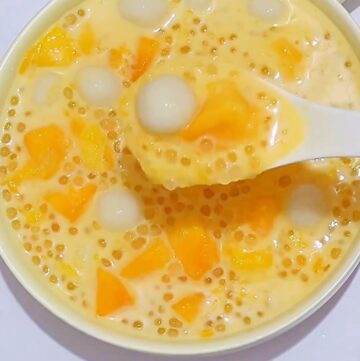
This mango sago recipe is smooth, creamy, and full of texture—from juicy mango chunks to chewy pearls and soft rice balls. A must-try Asian dessert!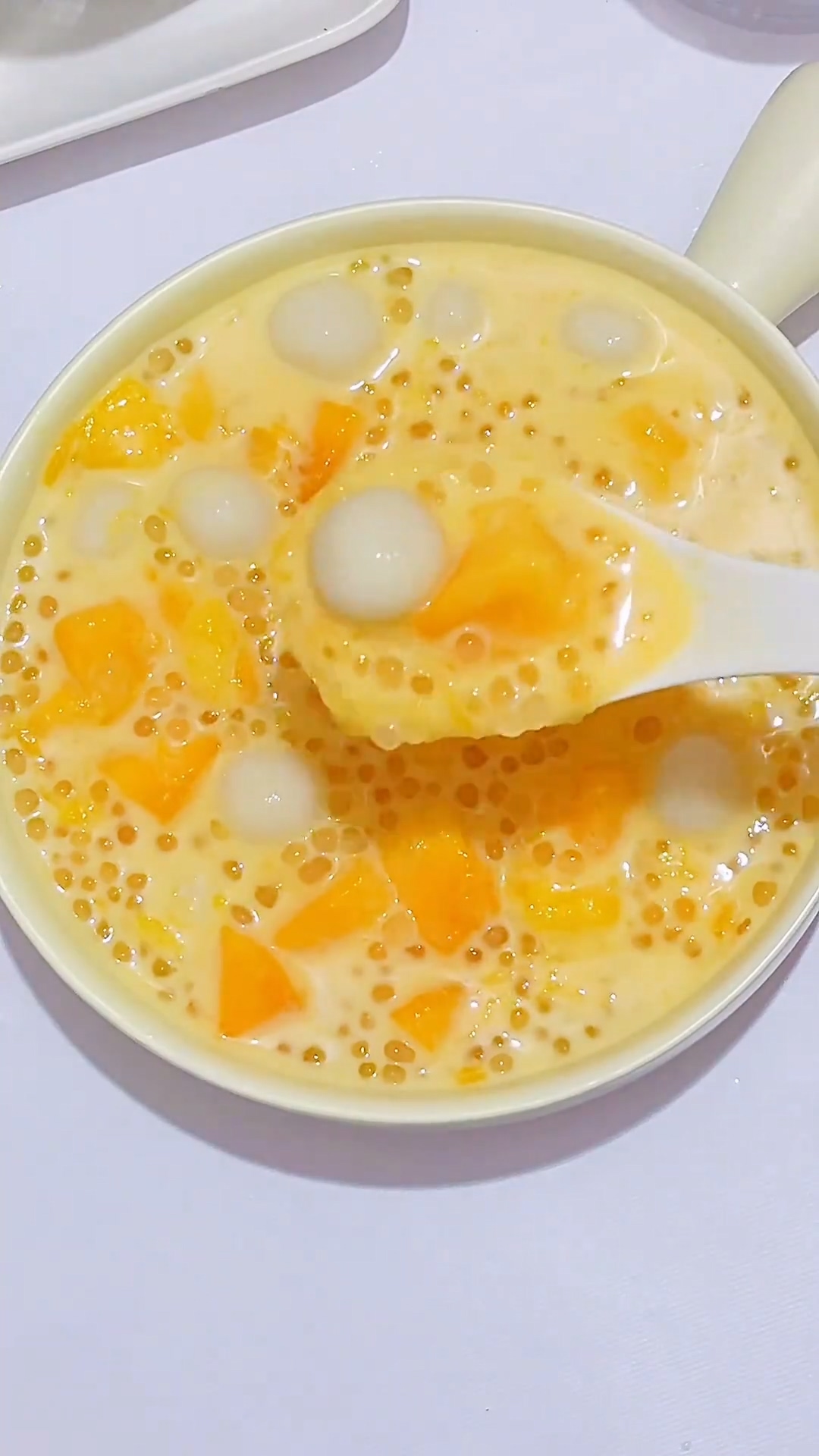
When it comes to mango desserts, I always find myself going back to a few favorites—Mango Popsicles, Mango Gelatin, and Mango Pudding. These are my go-to treats whenever mango season arrives.
But this Mango Sago recipe is definitely one of my absolute favorites, especially during the warmer months. It’s refreshing, creamy, and full of fun textures in every bite.
I know a lot of people struggle with cooking tapioca pearls, so here’s an important tip: don’t rinse or soak them beforehand—just add them directly into boiling water. That’s the key to getting that perfect chewy texture.
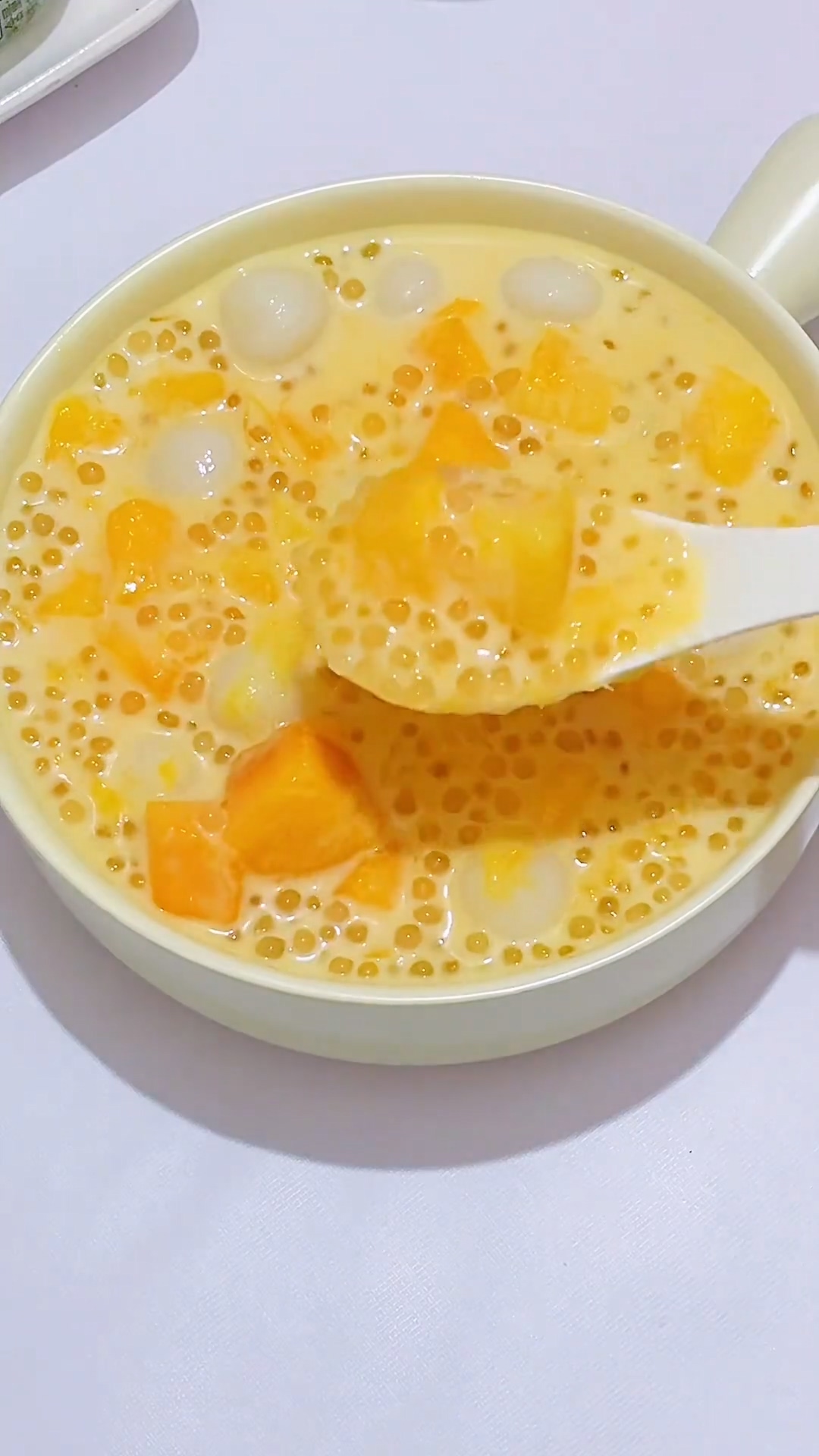
Traditionally, mango sago doesn’t include glutinous rice balls, but I like adding them for extra texture. If you prefer the classic version, you can simply leave them out.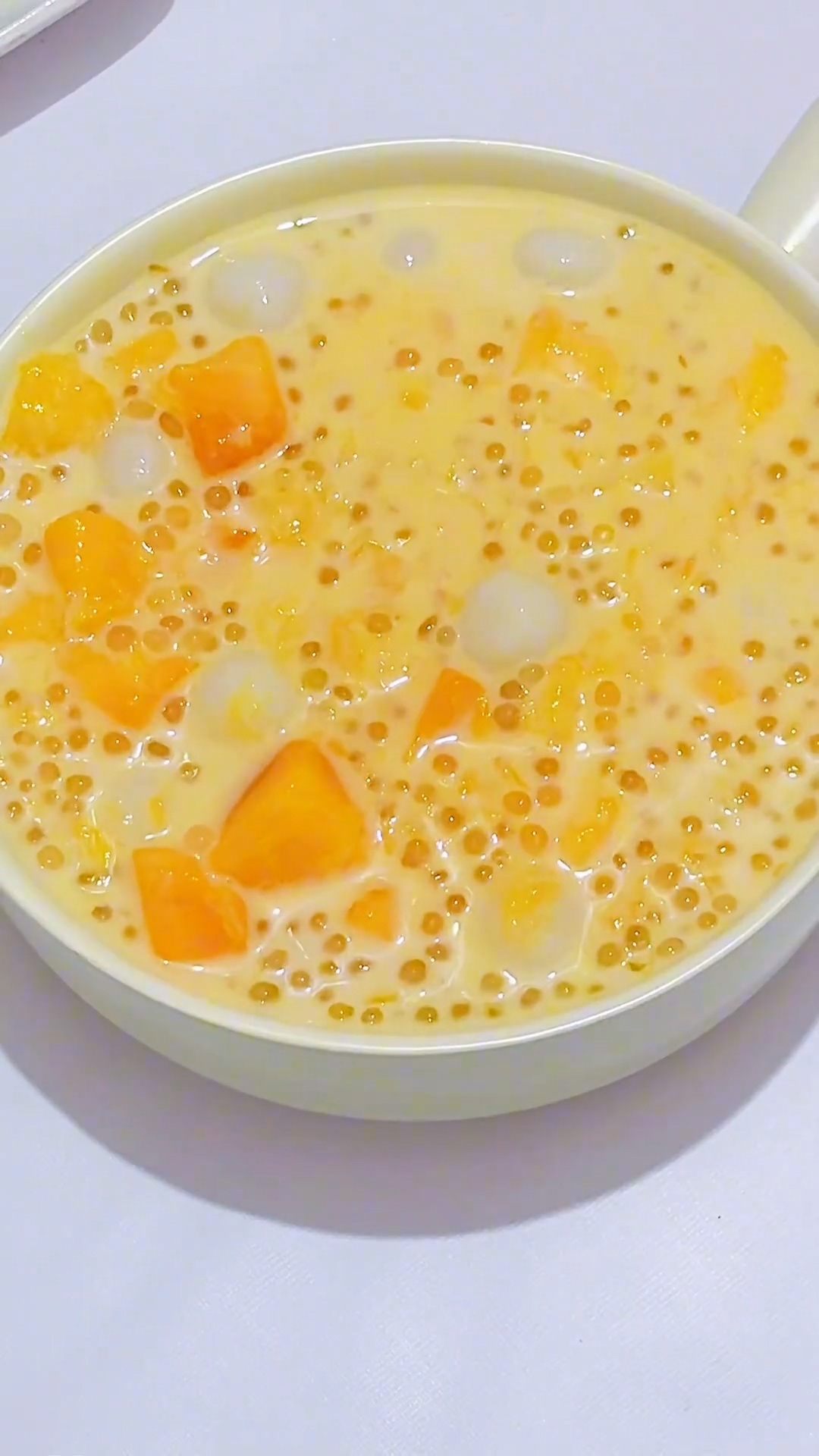
Ingredients and Substitutions
- Dried Sago – These tiny, pearl-like balls are the star of the texture show. The most important rule: sago cannot be washed and must be added only to boiling water. Washing will cause them to dissolve or stick together. I recommend using small white sago pearls for this recipe. They cook up translucent and bouncy with a delightful chew.
- Water – Plain water is used for cooking the sago. Use enough water to generously cover the sago, as they expand significantly during cooking. Filtered or tap water both work fine.
- Glutinous Rice Flour – Also known as sweet rice flour or mochiko, this is what gives our little rice balls their signature chewy, bouncy texture. Do not confuse it with regular rice flour, which will not produce the same result. Glutinous rice flour creates a dough that is smooth, pliable, and holds its shape beautifully when rolled into balls.
- Pure Milk – You’ll need pure milk for two purposes: to knead into the glutinous rice flour to form the dough, and to fill the cups at the end.
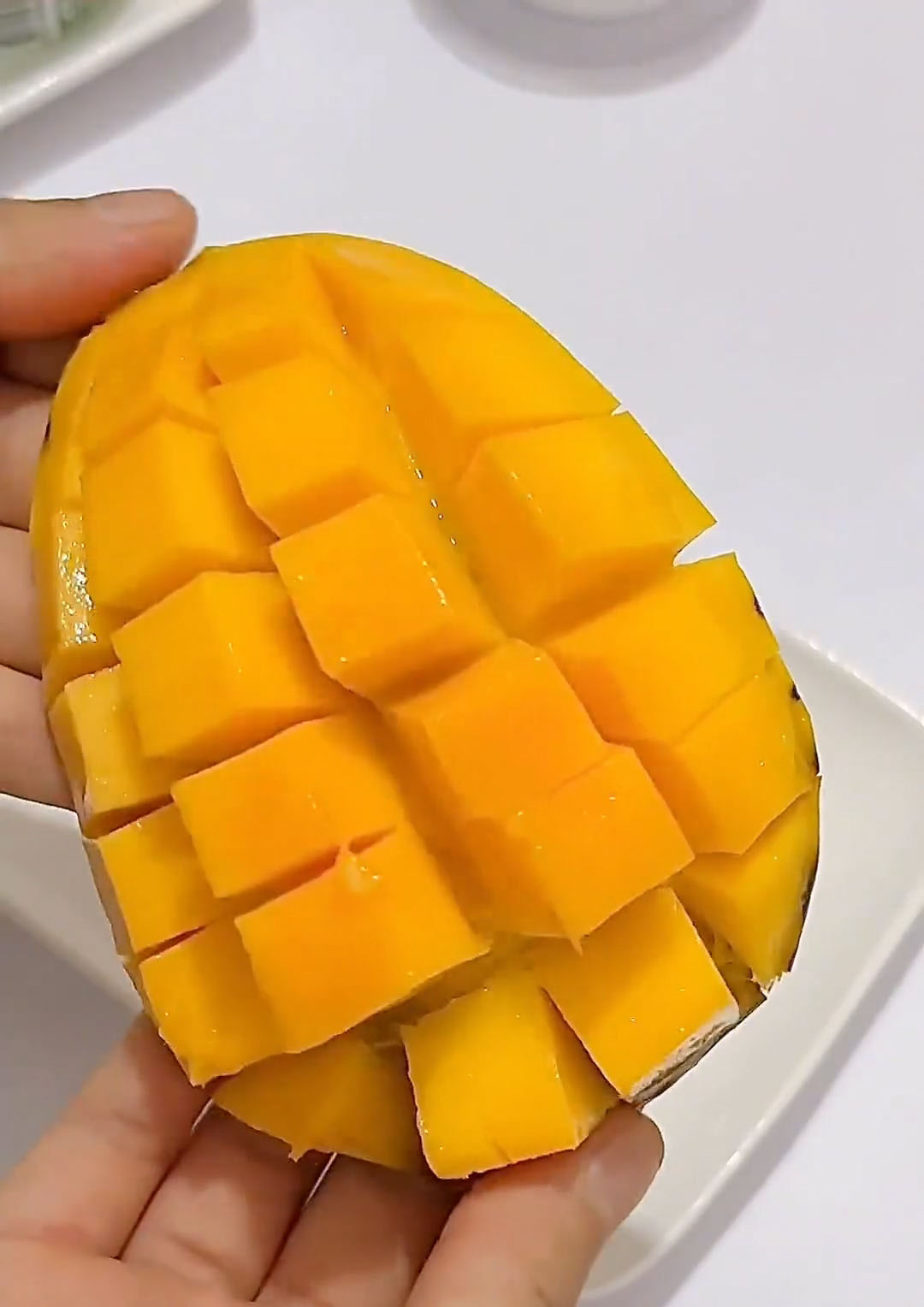
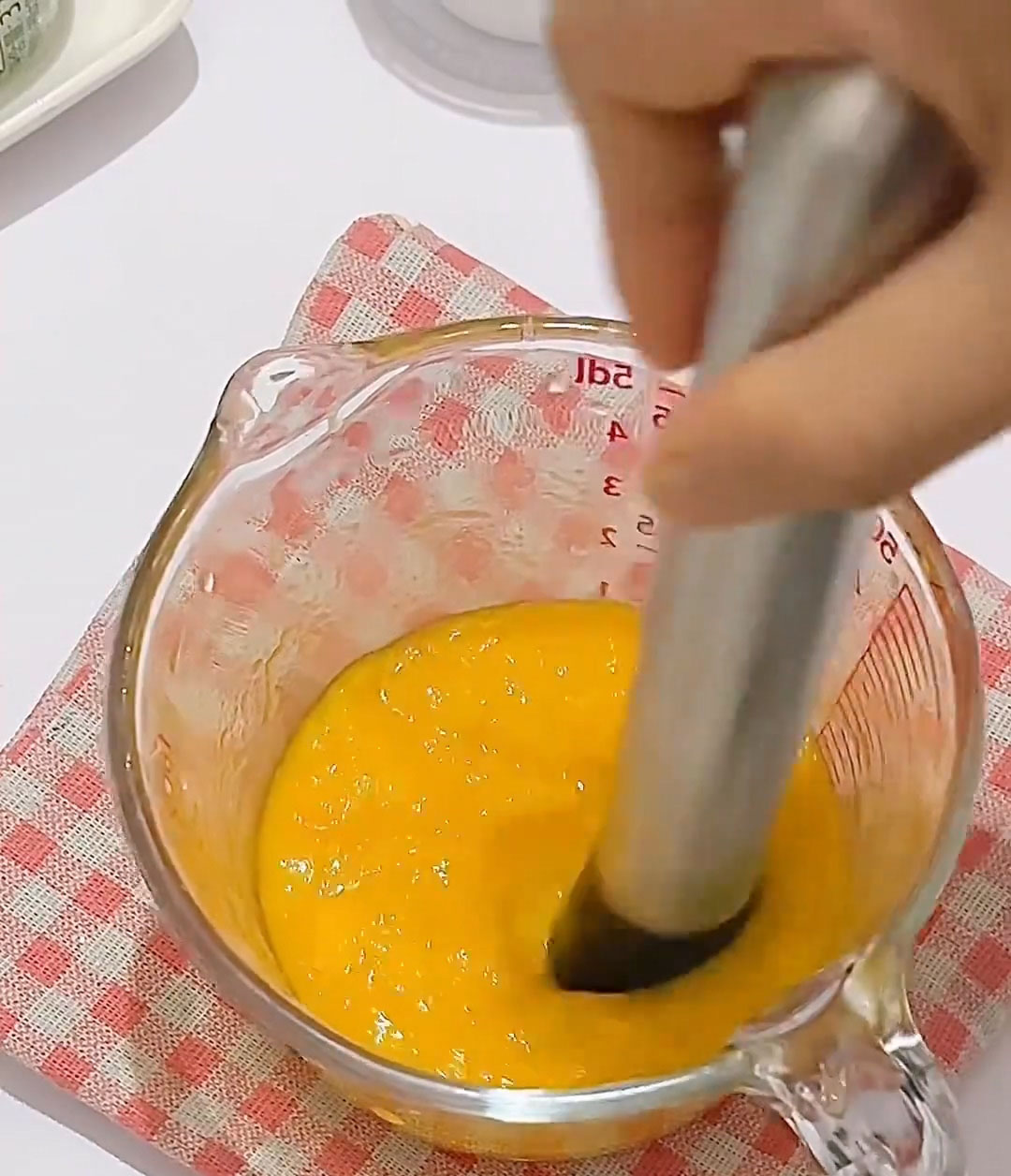
- Mango – One ripe, sweet, fragrant mango is all you need. You’ll divide it into two halves: one half will be cut into small cubes for juicy bursts of fruit, and the other half will be mashed or pureed into a smooth, thick mango paste that forms the flavorful base of the cup. Choose a mango that is ripe but still firm enough to hold its shape when diced. Ataulfo (honey) mangoes or Kent mangoes are excellent choices.
Ingredients
Sago Part
- Dried sago (as needed)
- Water (for cooking the sago)
Glutinous Rice Balls
- 100 g glutinous rice flour
- 80 g pure milk
Mango Base
- 1 mango
- Pure milk (as needed, for filling the cup at the end)
How to Make Mango Sago with Glutinous Rice Balls
For the Sago
- Boil the water: Bring a generous amount of water to a rolling boil in a pot. The water should be at a full, vigorous boil before you add the sago.
- Cook the sago: Add the dried sago to the boiling water. Do not wash the sago first—add it directly from its package. Reduce the heat to medium-low, cover the pot with a lid, and cook for 15 minutes. Stir frequently during cooking to prevent the sago pearls from sticking to the bottom of the pot or to each other.
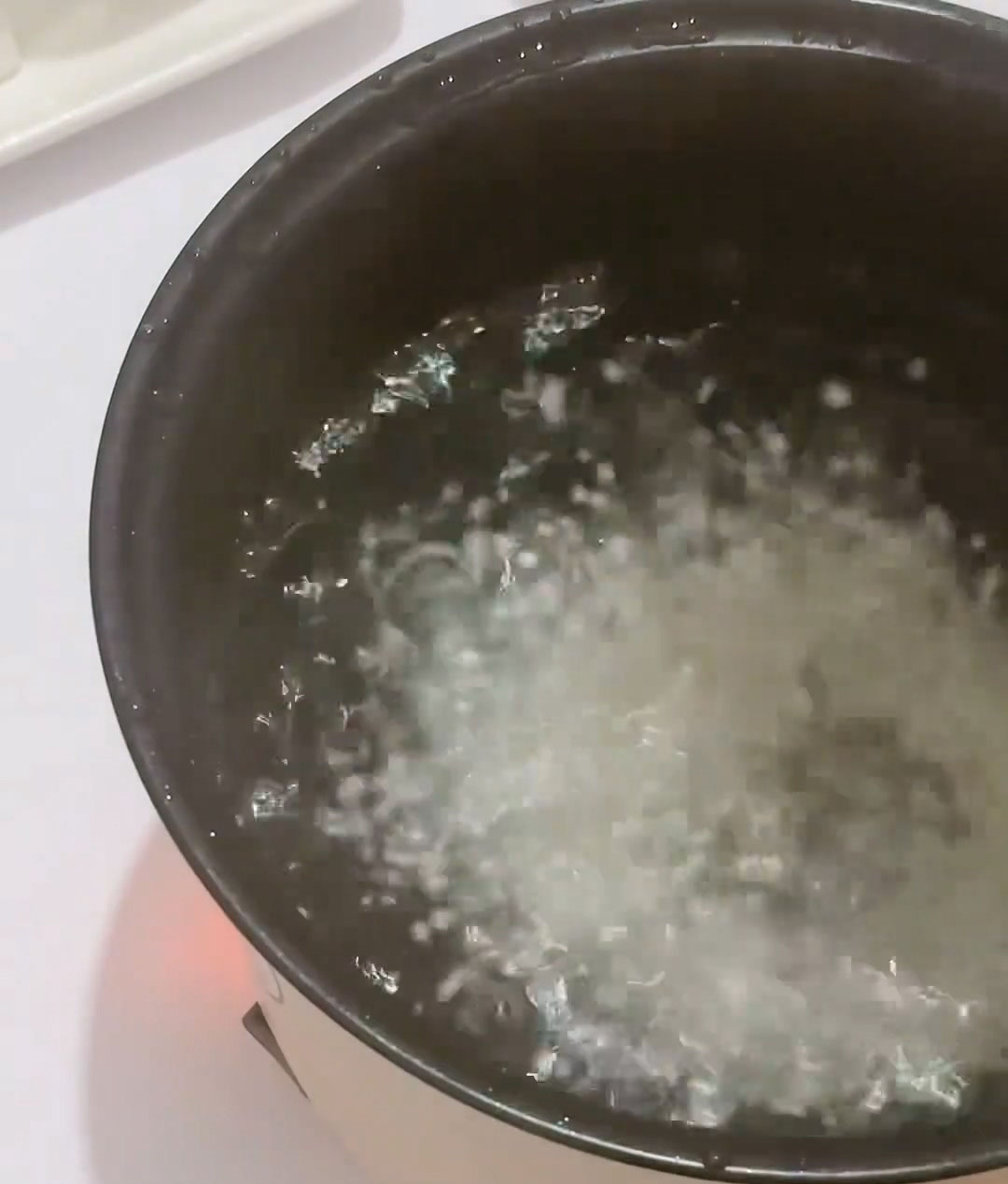
- Steam the sago: After 15 minutes, the sago pearls should have only a tiny white dot left visible in their centers. Immediately turn off the heat. Cover the pot tightly with the lid and let the sago steam in the residual heat for 15 minutes. This steaming step is essential—it allows the sago to become completely transparent with no white dots without overcooking.
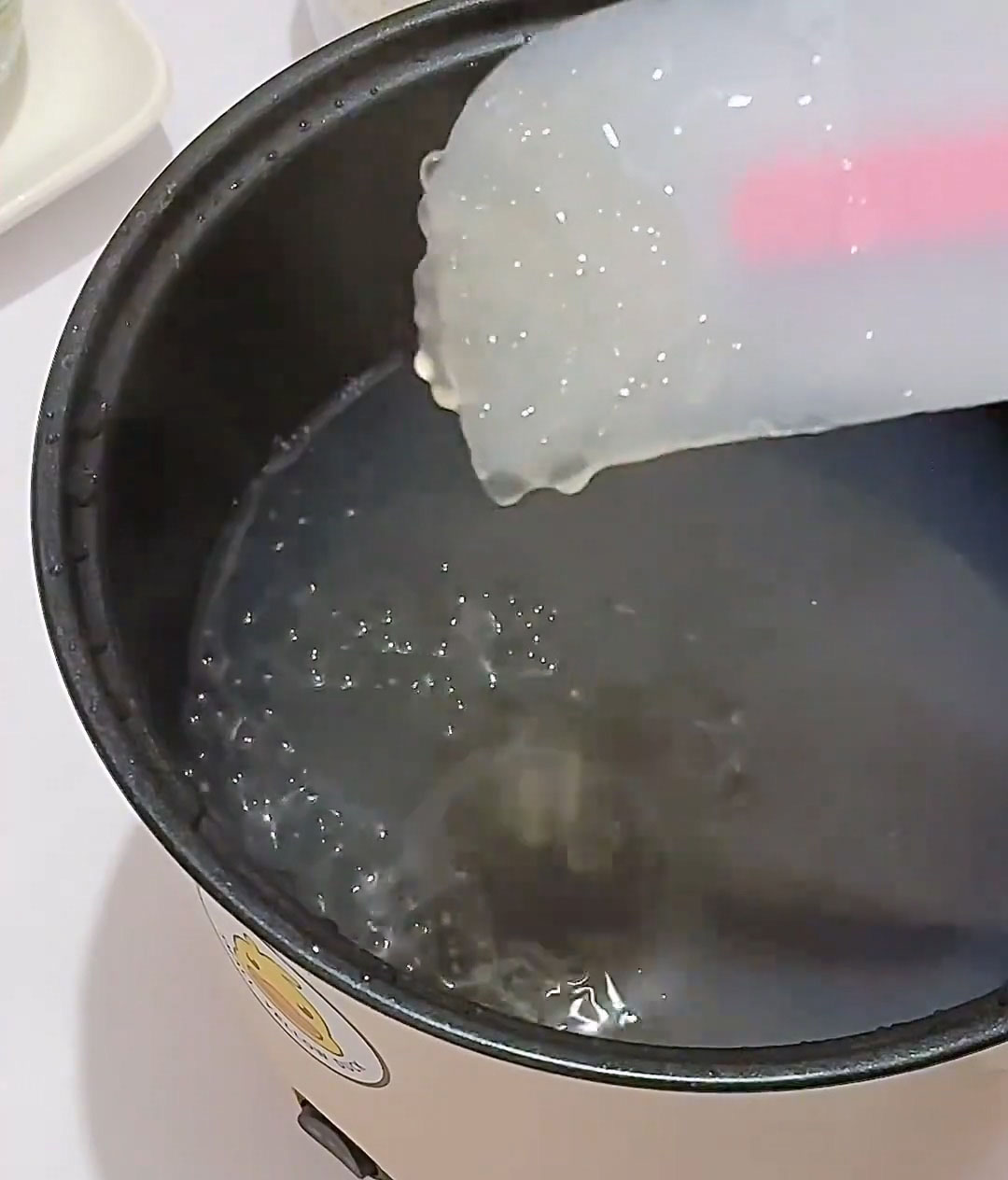
- Rinse and drain: Once the sago is fully transparent, remove it from the pot and rinse it under cold boiled water or ice water. This stops the cooking process and removes excess starch, resulting in bouncy, separate pearls that don’t stick together. Drain well and set aside.
For the Glutinous Rice Balls
- Make the dough: In a mixing bowl, combine 100 g of glutinous rice flour with 80 g of pure milk. Knead the mixture until it forms a smooth, pliable dough that does not crack when you press it. If the dough is too dry, add a few drops more milk; if too wet, add a tiny bit more flour.
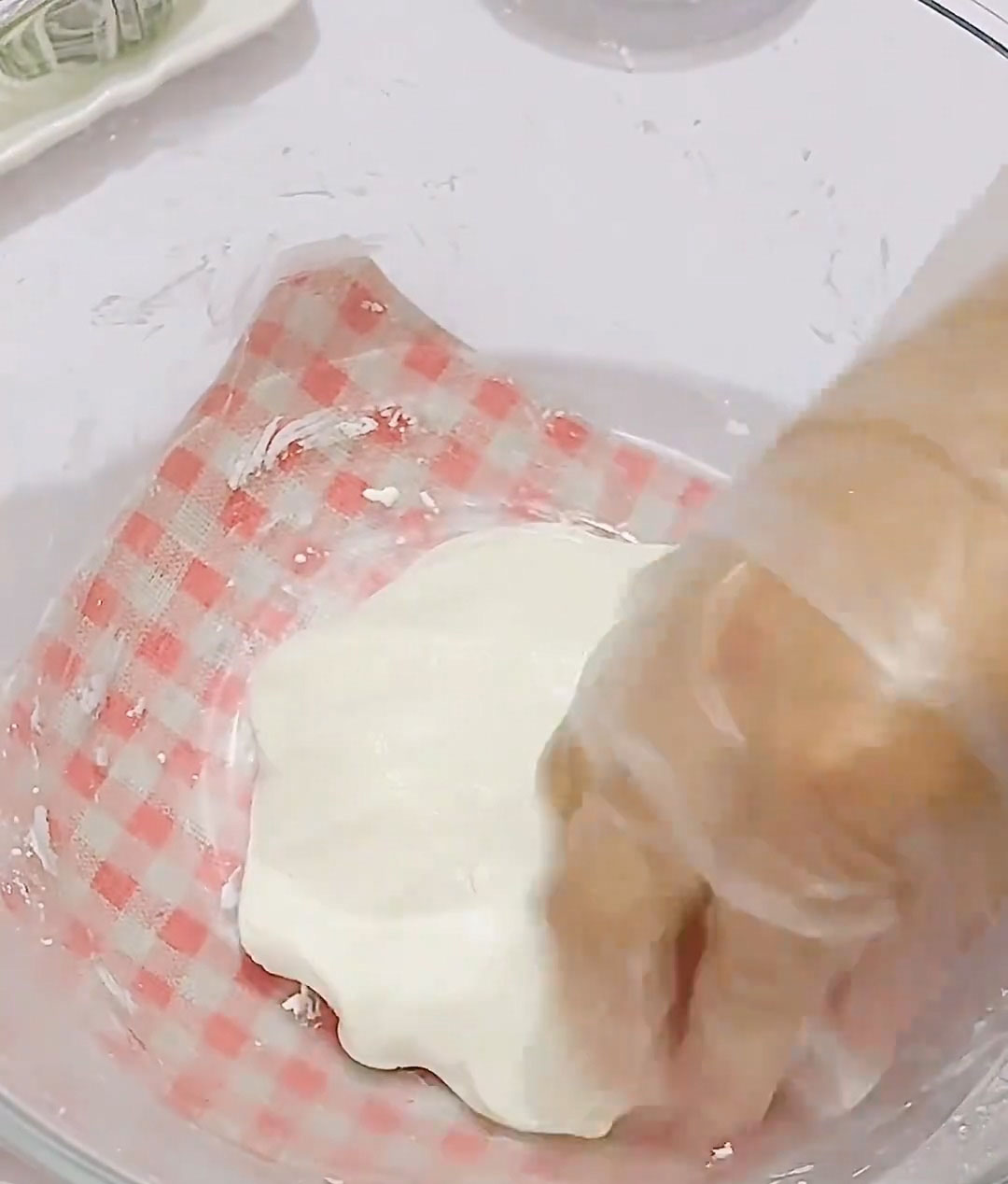
- Shape the balls: Pinch off small pieces of dough and roll them between your palms to form tiny, bite-sized balls. Keep them uniform in size so they cook evenly.
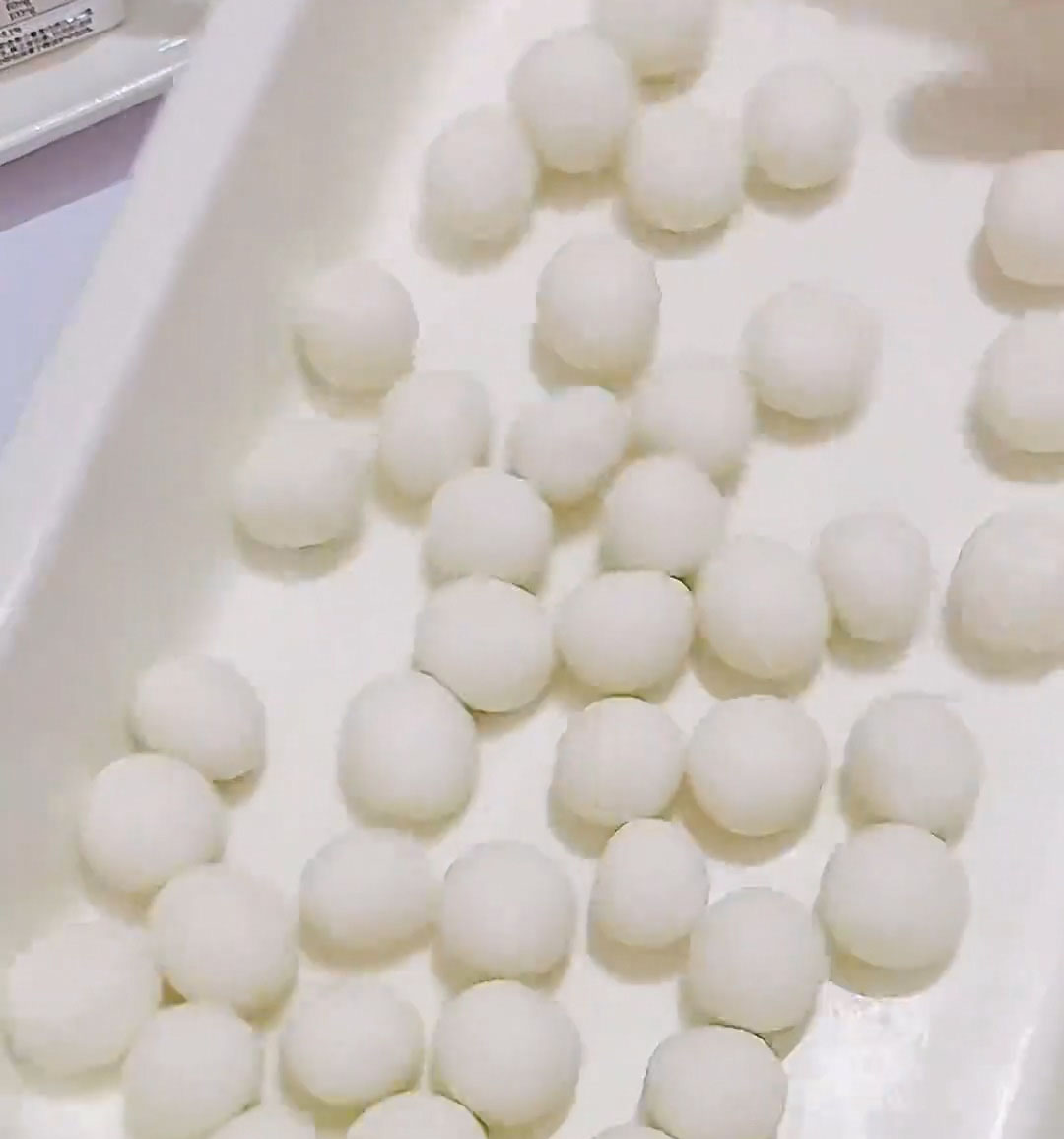
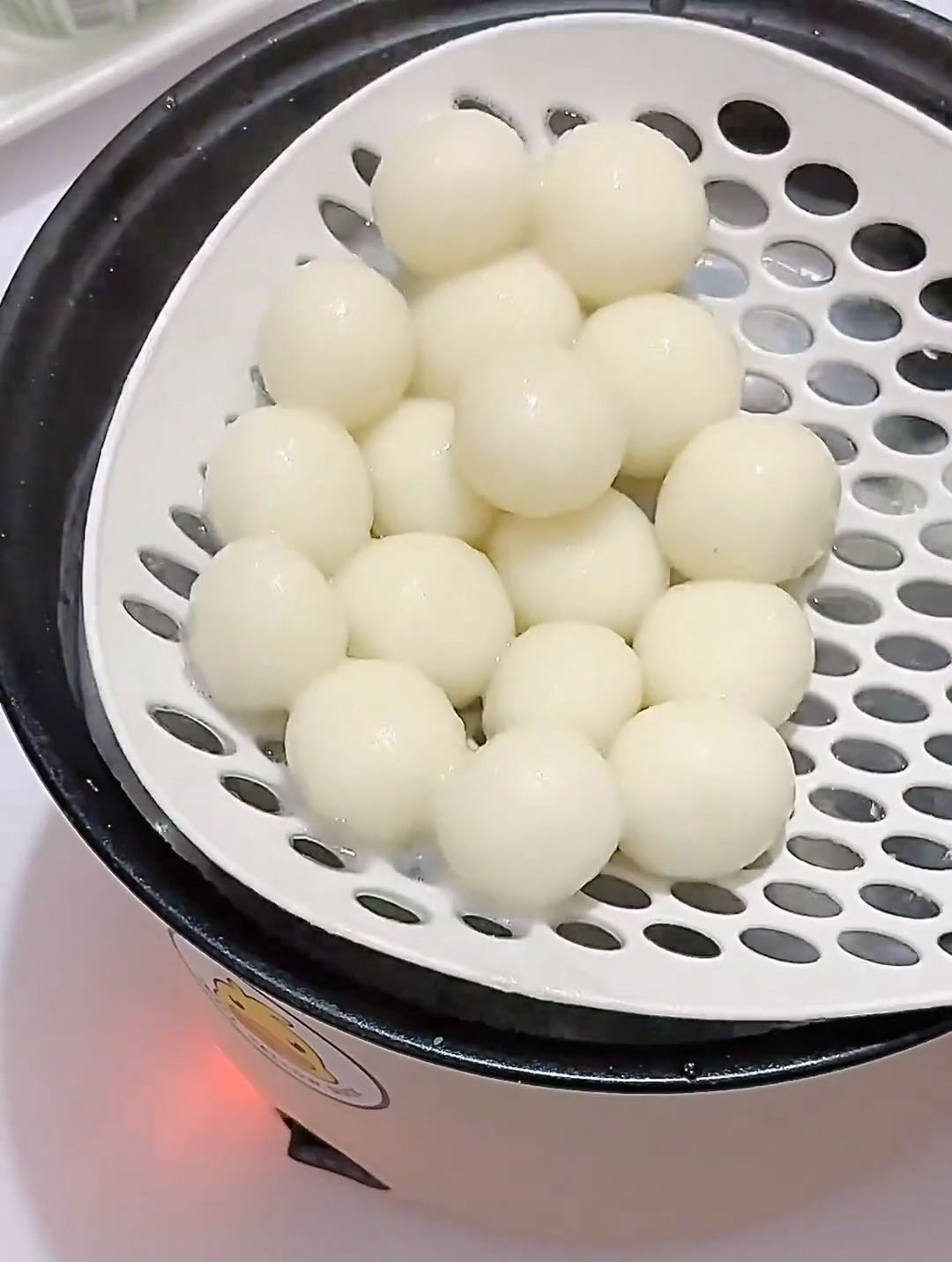
- Cook the rice balls: Bring a separate pot of water to a boil. Carefully drop the glutinous rice balls into the boiling water. Cook until they all float to the surface—this indicates they are nearly done. Once floating, continue cooking for 1 more minute.
- Rinse and cool: Remove the cooked rice balls from the water and rinse them immediately under cold water. This step is essential—it stops the cooking process, removes excess starch, and gives the rice balls a wonderfully chewy, bouncy texture. If you skip this rinse, they will become soft, sticky, and prone to clumping together.
For the Mango
- Prepare the mango: Take one ripe mango. Cut it in half around the pit. Reserve one half to be cut into small, bite-sized mango cubes. Take the other half and mash or puree it thoroughly until it becomes a smooth, thick mango paste. You can use a fork, a potato masher, or a blender for this step.
For Assembly
- Assemble the cups: Layer the ingredients in each cup in the following order, starting from the bottom:
- First, spoon in a generous layer of mango paste.
- Next, add a scattering of fresh mango cubes.
- Then, add a portion of cooked glutinous rice balls.
- Follow with a portion of cooked, drained sago pearls.
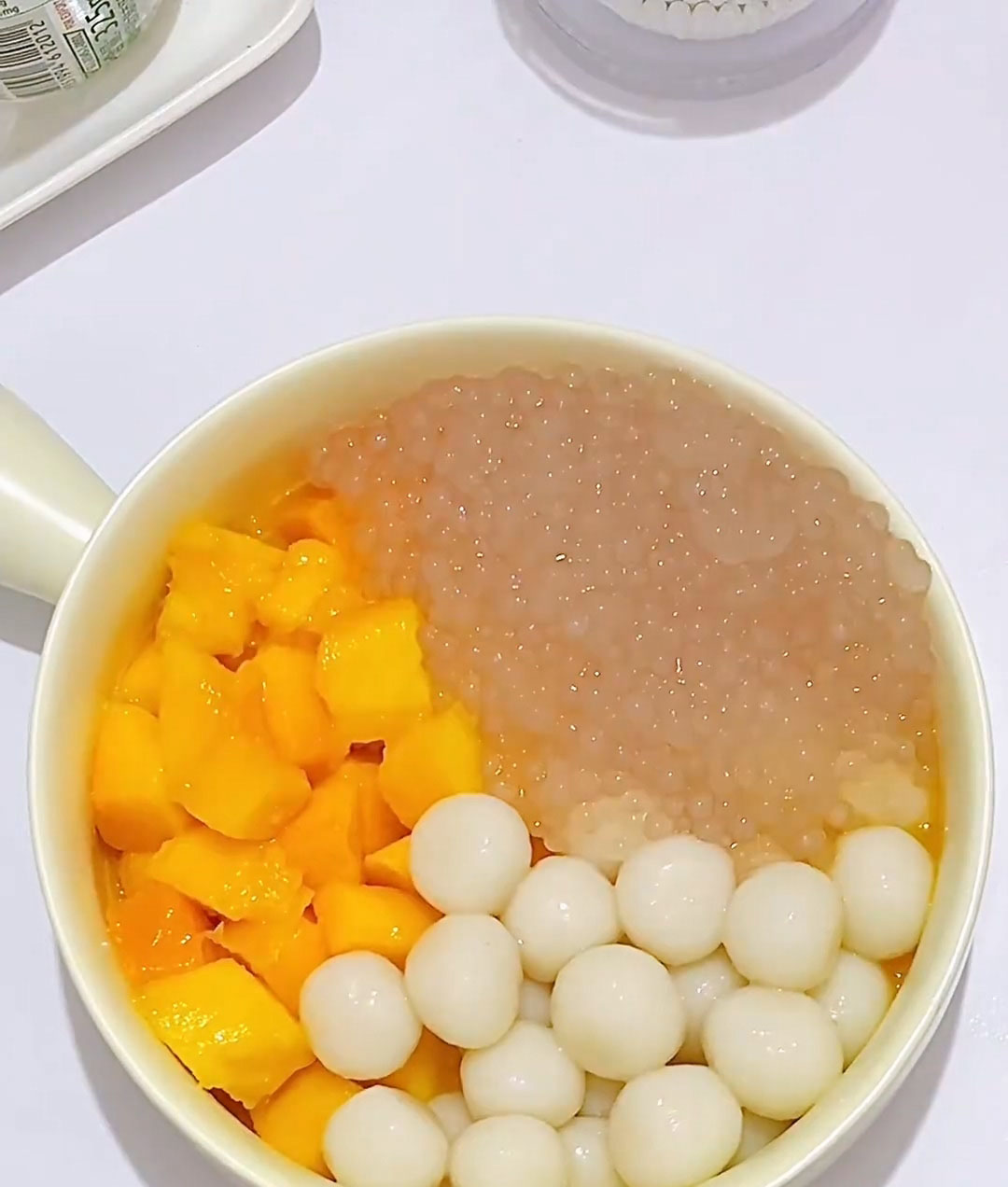
- Finally, pour in enough pure milk to fill the cup to your desired level.
- Serve immediately or chill: The dessert can be enjoyed right away, or you can refrigerate it for 30 minutes to serve it extra cold. Stir gently before drinking to combine all the layers.
How to Make Mango Sago (Step-by-Step)
Skip the dessert shop and make this easy mango sago at home! With simple ingredients and make-ahead steps, it’s perfect for family desserts or gatherings.Ingredients
Sago Part
- Dried sago as needed
- Water for cooking the sago
Glutinous Rice Balls
- 100 g glutinous rice flour
- 80 g pure milk
Mango Base
- 1 mango
- Pure milk as needed, for filling the cup at the end
Instructions
For the Sago
- Boil the water: Bring a generous amount of water to a rolling boil in a pot. The water should be at a full, vigorous boil before you add the sago.
- Cook the sago: Add the dried sago to the boiling water. Do not wash the sago first—add it directly from its package. Reduce the heat to medium-low, cover the pot with a lid, and cook for 15 minutes. Stir frequently during cooking to prevent the sago pearls from sticking to the bottom of the pot or to each other.
- Steam the sago: After 15 minutes, the sago pearls should have only a tiny white dot left visible in their centers. Immediately turn off the heat. Cover the pot tightly with the lid and let the sago steam in the residual heat for 15 minutes. This steaming step is essential—it allows the sago to become completely transparent with no white dots without overcooking.
- Rinse and drain: Once the sago is fully transparent, remove it from the pot and rinse it under cold boiled water or ice water. This stops the cooking process and removes excess starch, resulting in bouncy, separate pearls that don't stick together. Drain well and set aside.
For the Glutinous Rice Balls
- Make the dough: In a mixing bowl, combine 100 g of glutinous rice flour with 80 g of pure milk. Knead the mixture until it forms a smooth, pliable dough that does not crack when you press it. If the dough is too dry, add a few drops more milk; if too wet, add a tiny bit more flour.
- Shape the balls: Pinch off small pieces of dough and roll them between your palms to form tiny, bite-sized balls. Keep them uniform in size so they cook evenly.
- Cook the rice balls: Bring a separate pot of water to a boil. Carefully drop the glutinous rice balls into the boiling water. Cook until they all float to the surface—this indicates they are nearly done. Once floating, continue cooking for 1 more minute.
- Rinse and cool: Remove the cooked rice balls from the water and rinse them immediately under cold water. This step is essential—it stops the cooking process, removes excess starch, and gives the rice balls a wonderfully chewy, bouncy texture. If you skip this rinse, they will become soft, sticky, and prone to clumping together.
For the Mango
- Prepare the mango: Take one ripe mango. Cut it in half around the pit. Reserve one half to be cut into small, bite-sized mango cubes. Take the other half and mash or puree it thoroughly until it becomes a smooth, thick mango paste. You can use a fork, a potato masher, or a blender for this step.
For Assembly
- Assemble the cups: Layer the ingredients in each cup in the following order, starting from the bottom:
- First, spoon in a generous layer of mango paste.
- Next, add a scattering of fresh mango cubes.
- Then, add a portion of cooked glutinous rice balls.
- Follow with a portion of cooked, drained sago pearls.
- Finally, pour in enough pure milk to fill the cup to your desired level.
- Serve immediately or chill: The dessert can be enjoyed right away, or you can refrigerate it for 30 minutes to serve it extra cold. Stir gently before drinking to combine all the layers.
Made this recipe? I’d love to see it!Tag @cookingwithchun and share it with #cookingwithchun on Instagram.
Leave a Reply