
Looking for an easy mango dessert? This silky Mango Jelly is soft, jiggly, and packed with fresh mango flavour. No oven needed—just mix, strain, and chill for the perfect make-ahead treat.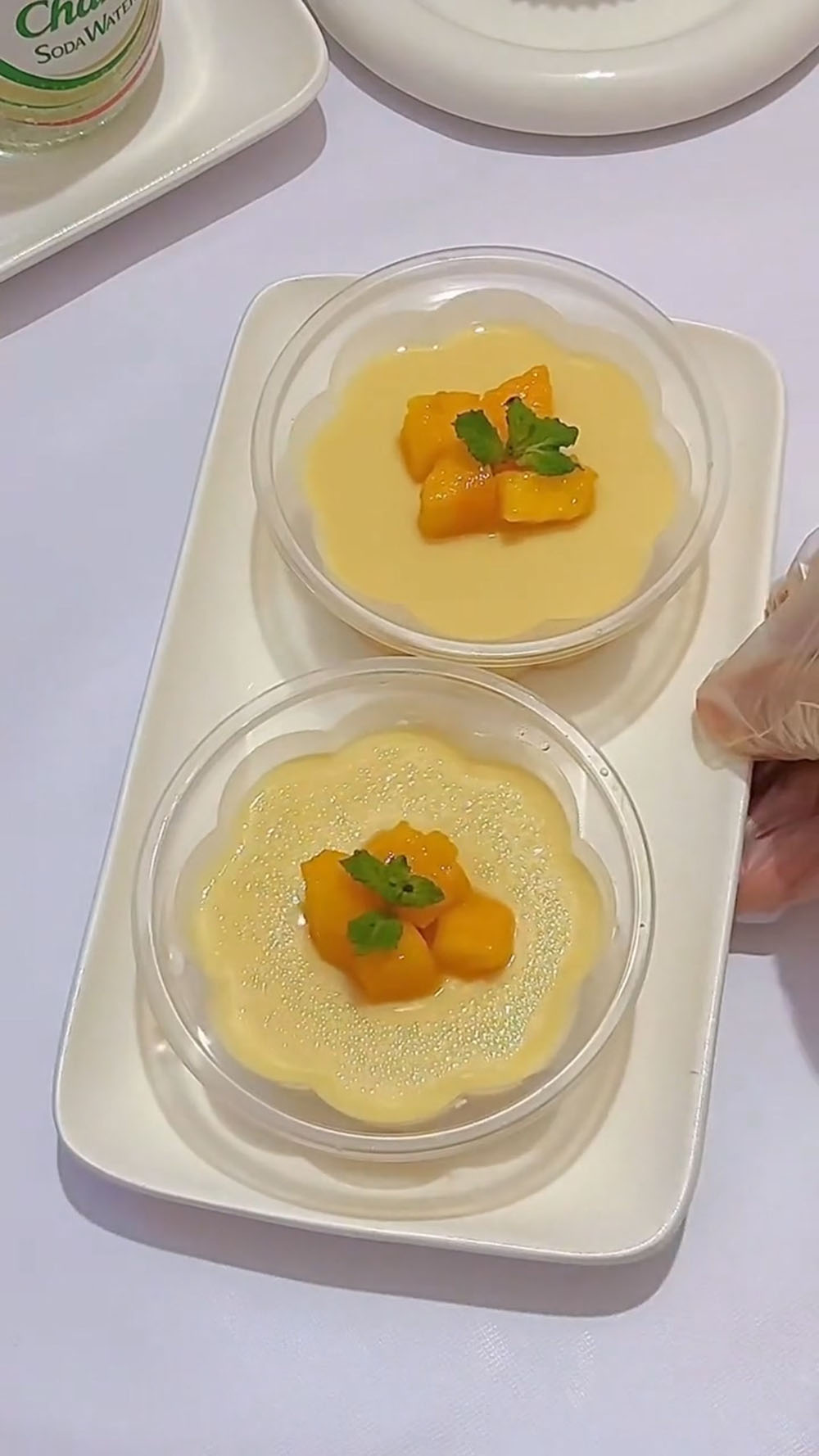
After sharing my Mango Gelatin recipe, I still had some mango left, and I didn’t want it to go to waste.
So I decided to turn it into another similar dessert: this Mango Jelly.
This one is even smoother, creamier, and more delicate in texture. It has that soft, melt-in-your-mouth feel that makes every bite so satisfying.
I love how just a few simple ingredients can transform into something that looks elegant and tastes like it came from a café.
Honestly, this is the kind of dessert I keep making on repeat. It’s quick, fuss-free, and perfect to make ahead. Just mix, strain, chill, and you’ll have a beautifully set mango jelly ready to enjoy.
Every time I serve it, it disappears so quickly—especially with kids, who absolutely love the soft and creamy texture.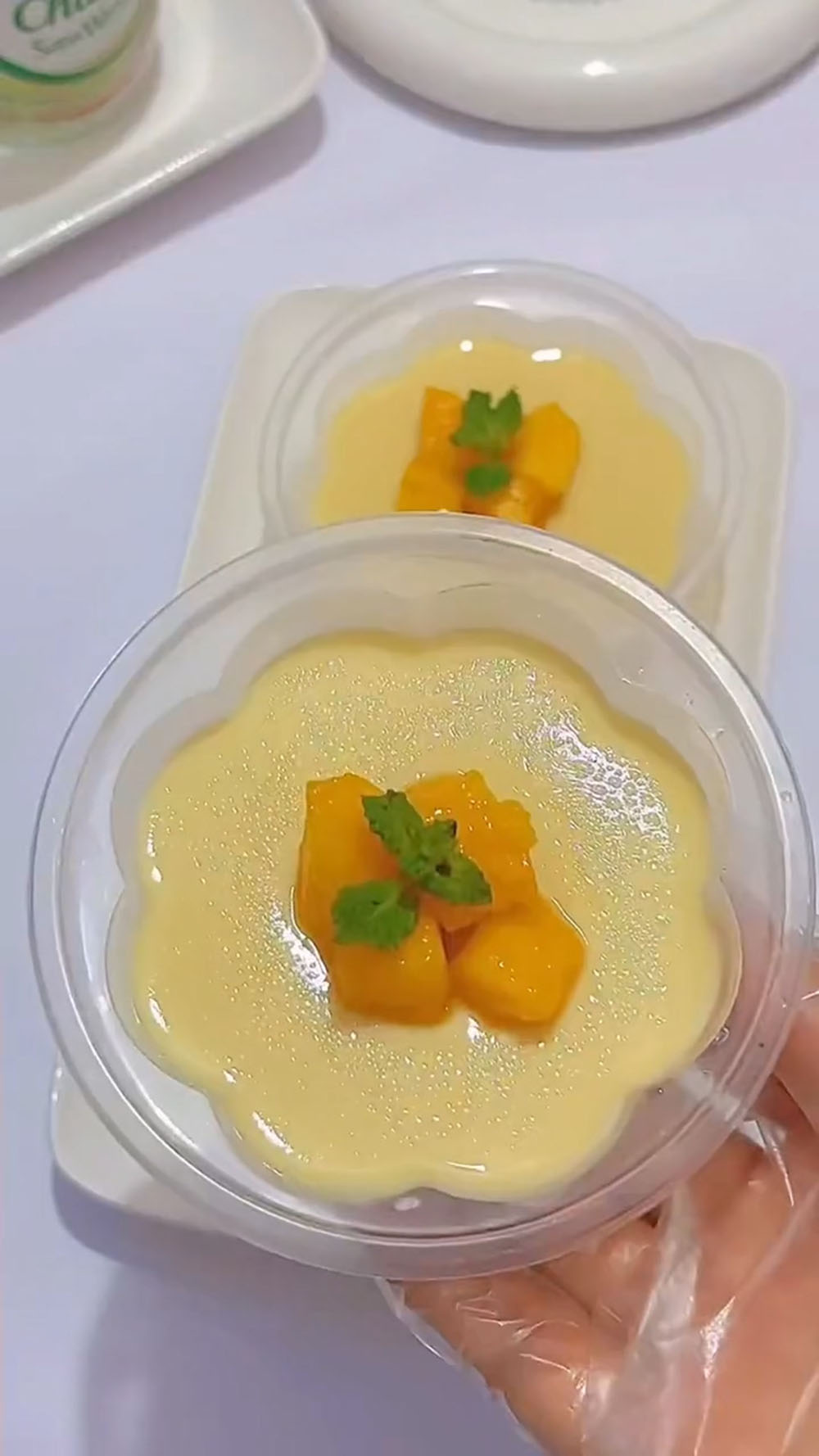
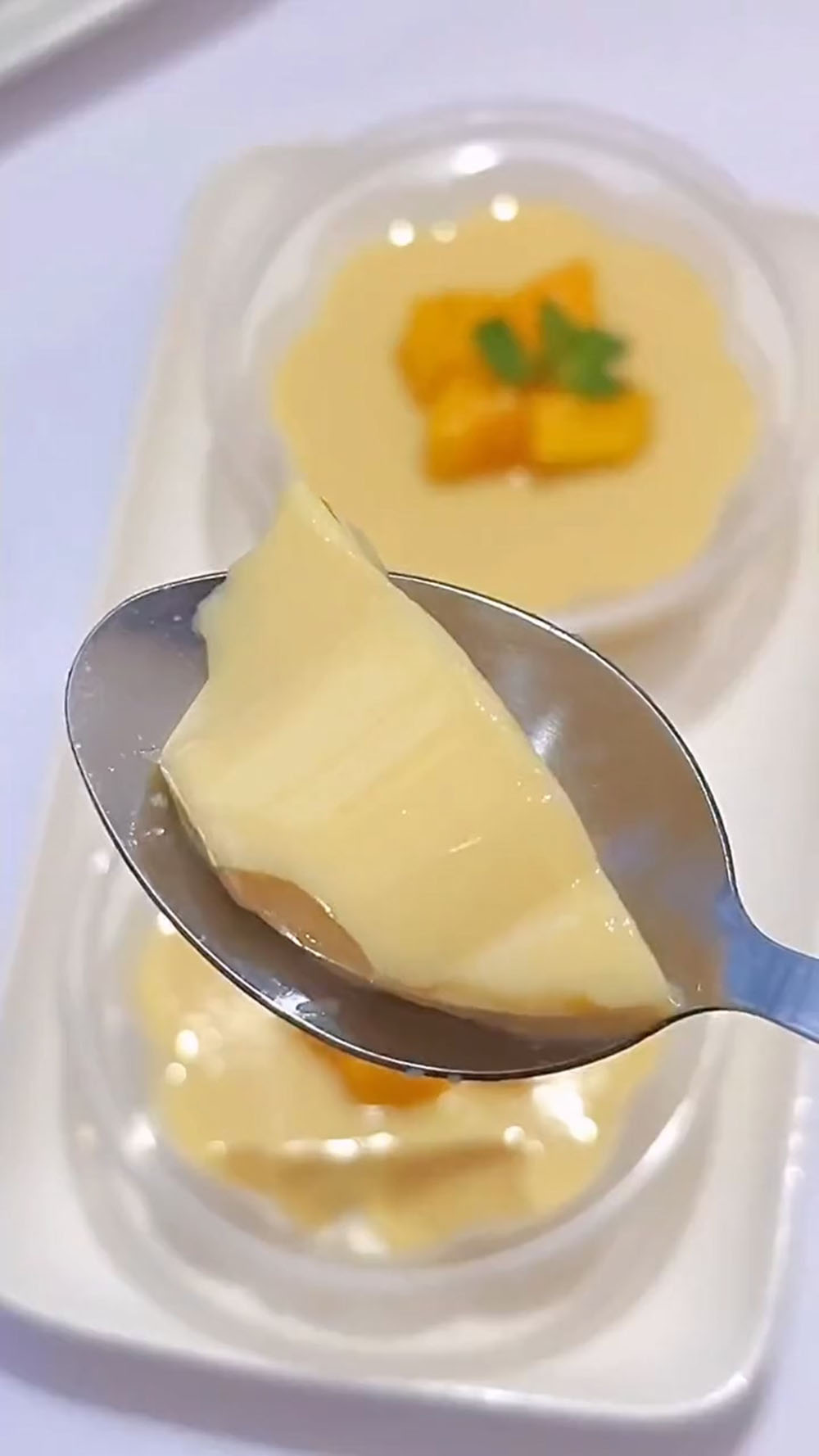
Why you’ll love this recipe
- It’s ultra smooth and creamy with a melt-in-your-mouth texture
- No baking required—just mix, strain, and chill
- Simple ingredients but incredibly elegant results
- Perfect make-ahead dessert for gatherings or family treats
- Naturally fruity, lightly sweet, and very refreshing
- Easy to customize with toppings like fresh mango or mint
Ingredients and Substitutions
- Milk – This forms the creamy, aromatic base of the pudding. I highly recommend using whole milk for the richest, most luxurious flavor.
- Mango Puree – This is where the vibrant mango flavor comes from. You’ll need to peel and pit a ripe mango, then mash or blend it into a smooth, fine puree with absolutely no fibers or lumps. The quality of your mango directly affects the final flavor—choose a mango that is sweet, fragrant, and ripe but still firm enough to hold its shape. Ataulfo (honey) mangoes or Kent mangoes are excellent choices. If you use frozen mango, thaw it completely and drain off any excess liquid before pureeing.
- Heavy Cream – This ingredient is essential for achieving that signature silky, velvety texture. It adds richness and a luxurious mouthfeel that milk alone cannot provide. Do not omit the heavy cream—it’s what takes this pudding from good to exceptional. I recommend using heavy cream with a fat content of at least 35% for the best results.
- Granulated Sugar – A moderate amount of sugar enhances the natural sweetness of the mango without overwhelming it. The recipe as written is moderately sweet, allowing the mango’s flavor to shine. If you prefer a less sweet dessert, you can reduce the sugar to 10g. If your mango is particularly tart, you may want to keep it at 15g or even add a little extra.
- Gelatin Sheets – The essential setting agent for this pudding. I always recommend using gelatin sheets rather than powder for a cleaner, more reliable result with no aftertaste. The key to success is always soaking them in cold water until softened—never hot water, as this will destroy their setting power. Once softened, squeeze out the excess water before adding them to the warm mixture.
Ingredients
Mango Milk Pudding
- 350 g milk
- 150 g mango puree
- 100 g heavy cream
- 15 g granulated sugar
- 12 g gelatin sheets
How to Make Mango Milk Pudding
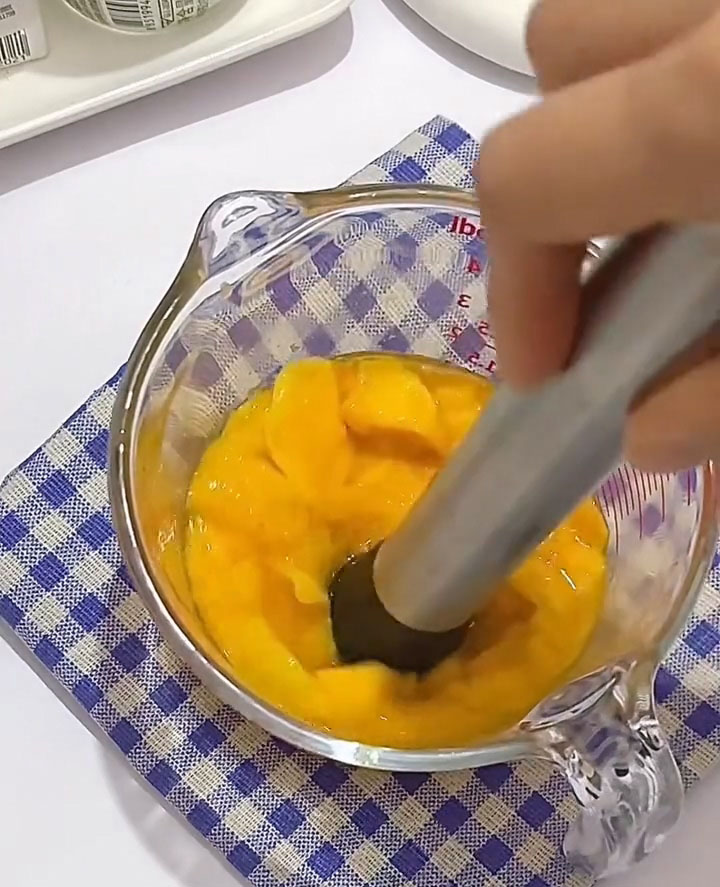
- Prepare the mango puree: Peel and pit the mango. Place the mango flesh into a blender or mash it thoroughly in a bowl until you have a smooth, fine mango puree with no lumps or fibrous bits. Set aside.
- Dissolve the sugar in milk: In a saucepan, combine 350 g milk and 15 g granulated sugar. Place the saucepan over low heat and stir constantly with a whisk or spatula. Heat only until the sugar is completely dissolved—do not bring the mixture to a boil. Once the sugar has dissolved, turn off the heat and remove the saucepan from the stove.
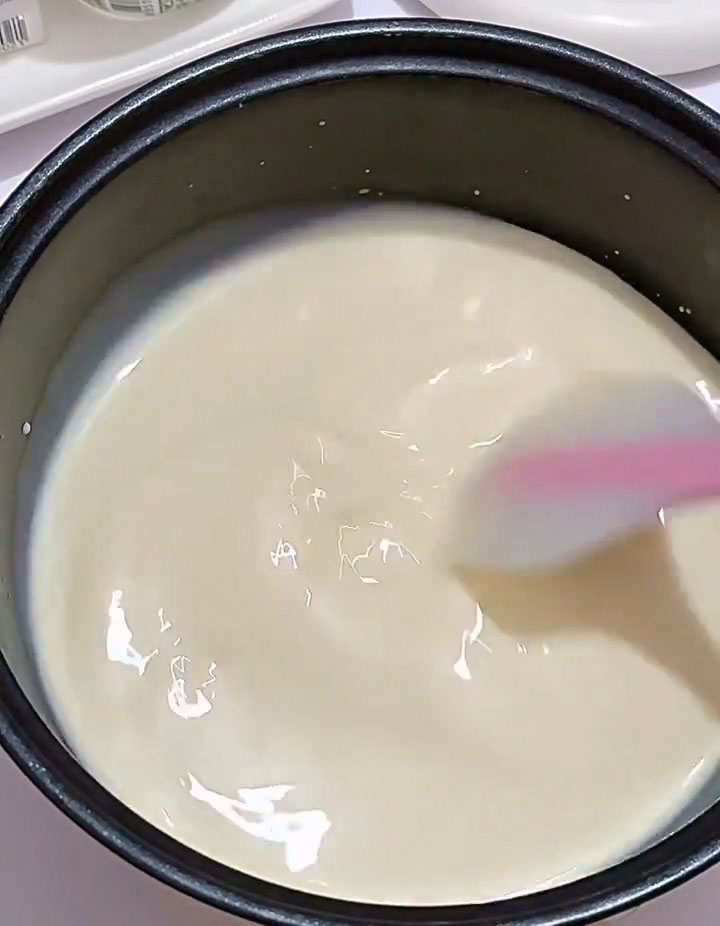
- Combine with mango puree: While the milk mixture is still warm, pour in the 150 g of prepared mango puree. Stir thoroughly until the puree is fully incorporated and the mixture is uniform in color.
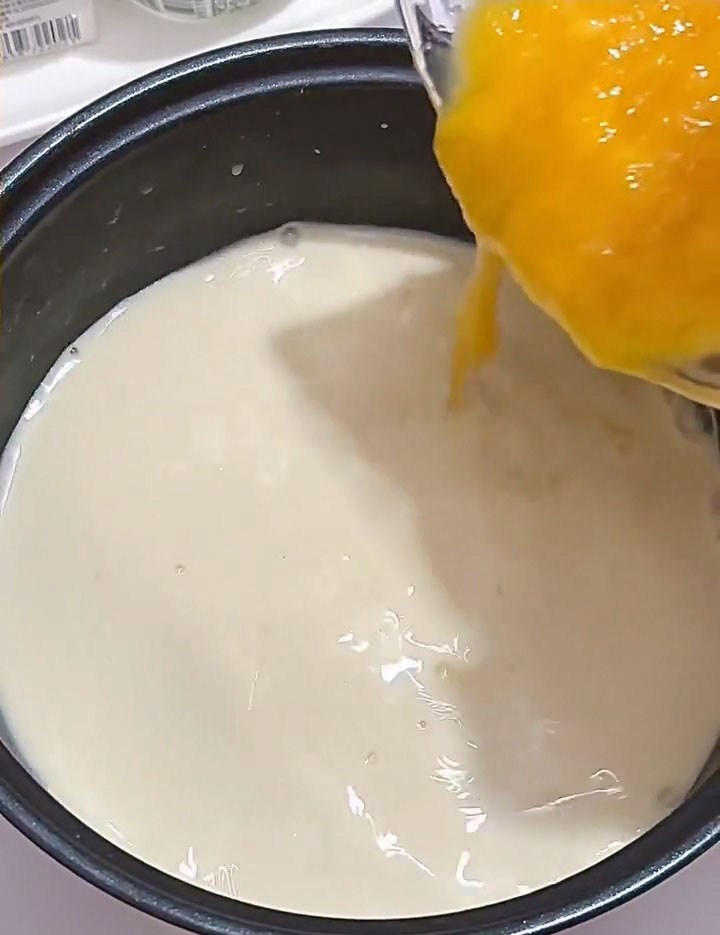
- Melt the gelatin: Take 12 g of gelatin sheets that have been soaked in cold water until softened. Squeeze firmly to remove any excess water. Add the softened gelatin to the warm mango-milk mixture and stir continuously until the gelatin is completely dissolved with no visible pieces remaining.
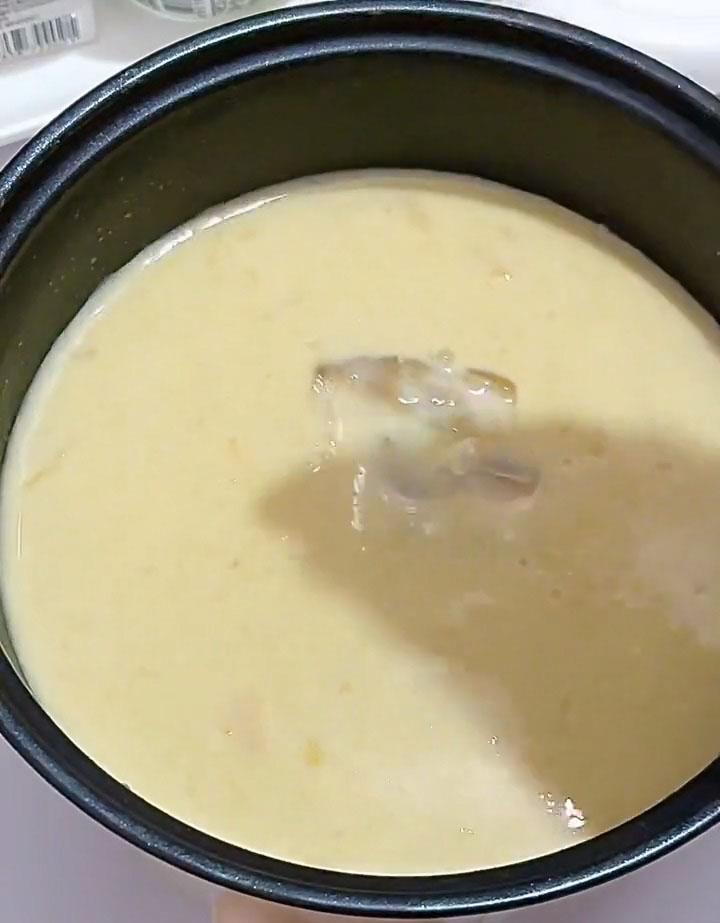
- Add the heavy cream: Pour 100 g of heavy cream into the saucepan. Stir thoroughly until the cream is fully incorporated. At this point, the pudding mixture should be smooth, silky, and uniform in texture.
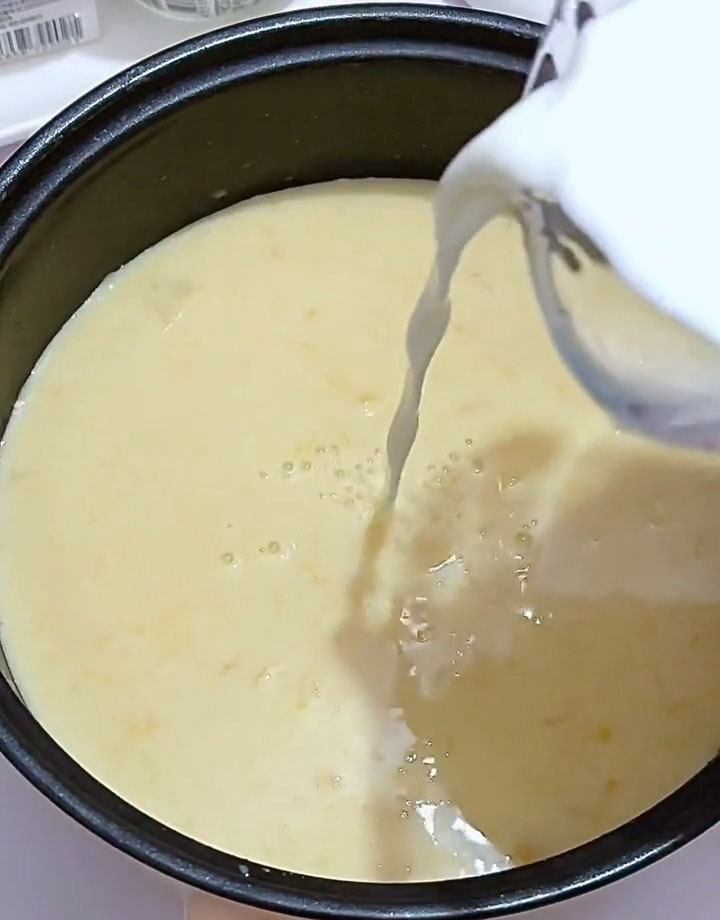
- Strain the mixture: This step is absolutely essential for achieving the ultra-smooth, tender texture that makes this pudding so special. Pour the mixture through a fine-mesh sieve once, then strain it a second time. This removes any remaining mango fibers, tiny air bubbles, or any undissolved particles that could create a grainy texture.
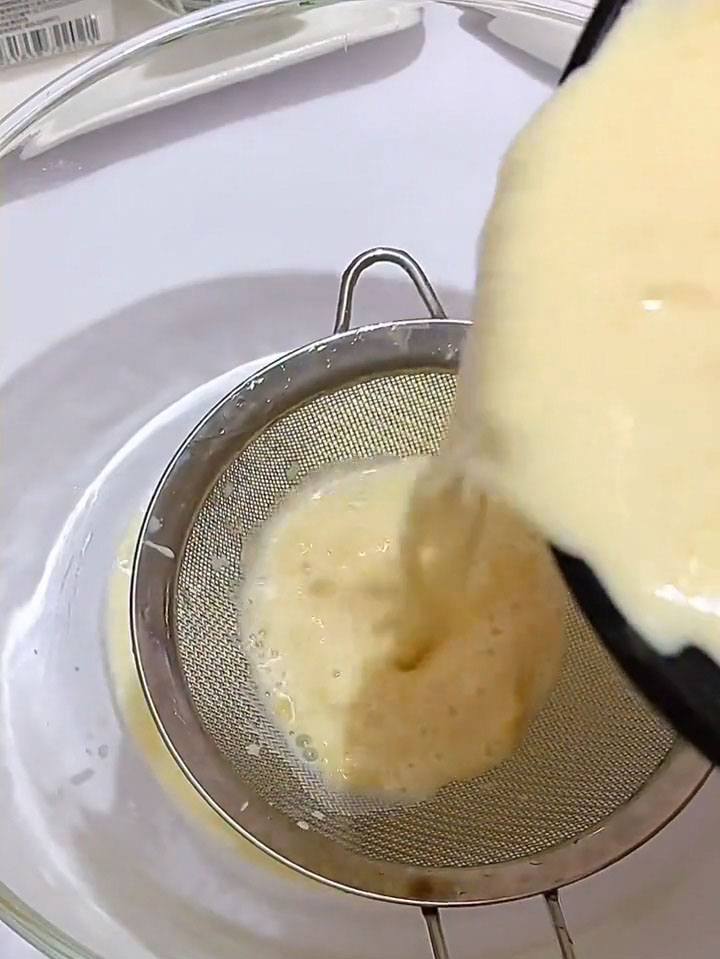
- Pour into molds: Carefully pour the strained pudding mixture into pudding cups, ramekins, or your chosen molds. Gently tap each cup on the counter to release any trapped air bubbles.
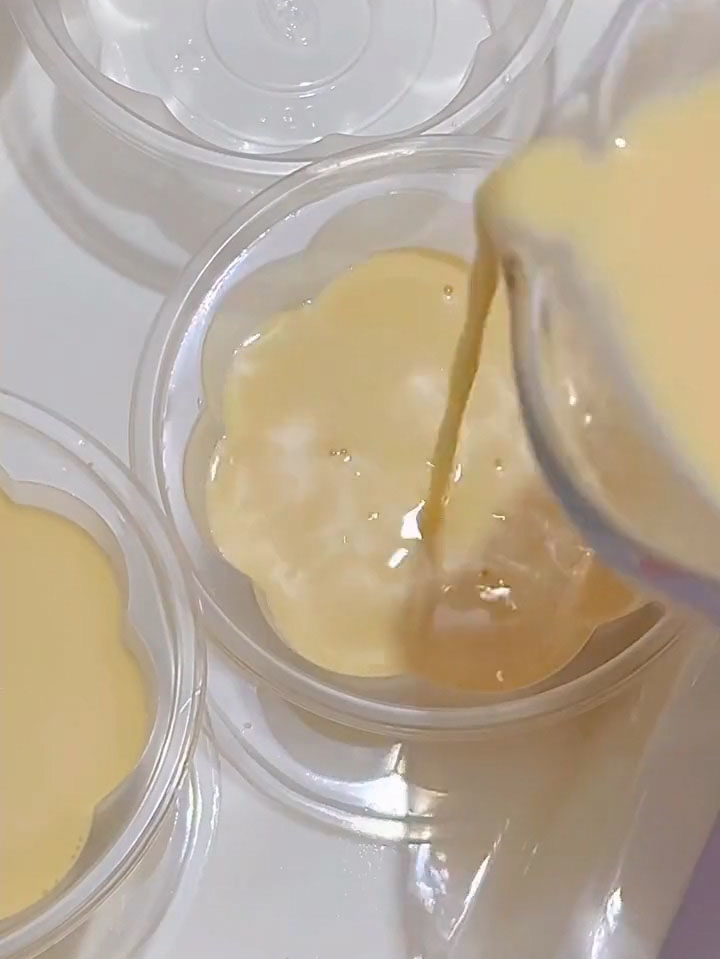
- Chill to set: Cover the cups with lids or plastic wrap. Place them in the refrigerator and chill for at least 4 hours, or until the pudding is completely firm and set. For the best texture and flavor, I recommend chilling overnight.
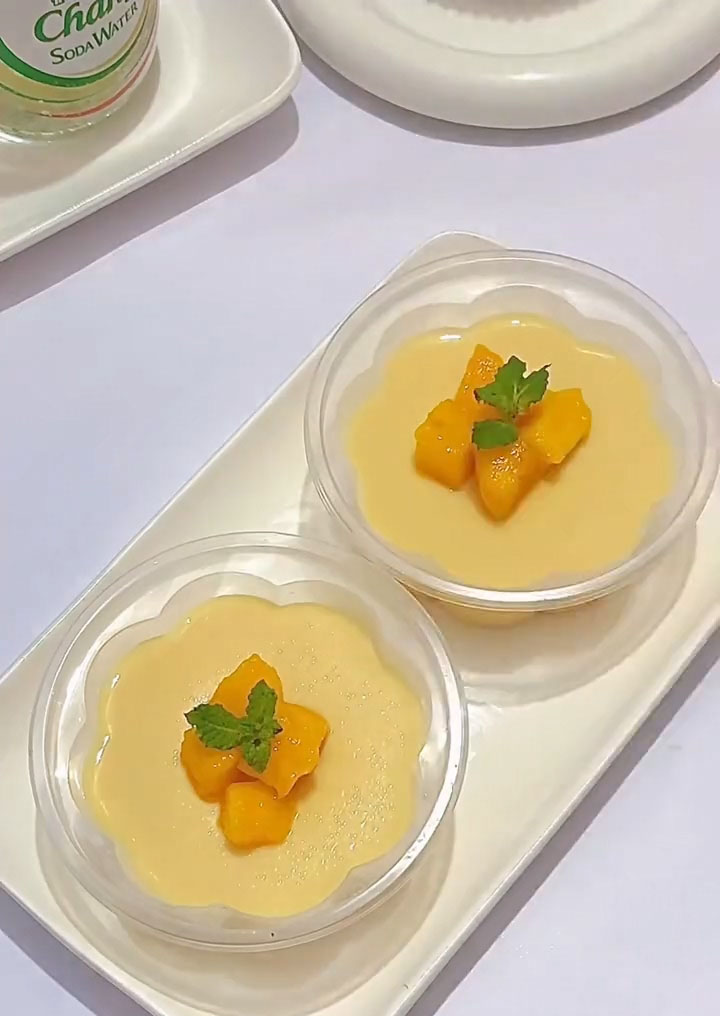
- Garnish and serve: Once the pudding is fully set, remove it from the refrigerator. Garnish the surface with fresh mango cubes, mint leaves, or a light dusting of powdered sugar as desired. The finished pudding should have a delightful jiggle—it’s pure perfection.
Tips & tricks
- Soften gelatin properly
Always soak gelatin sheets in cold water before using. Hot water will ruin their setting ability. - Do not boil the milk
Only heat until the sugar dissolves. Boiling can affect both texture and gelatin performance. - Strain the mixture
This step removes mango fibres and air bubbles, giving you that perfectly smooth finish. - Let it chill fully
At least 4 hours is needed, but overnight chilling gives the best texture. - Use ripe mangoes
The flavour of this dessert depends heavily on the mango, so choose sweet, fragrant ones.
Frequently asked questions
Why didn’t my mango jelly set?
Your mixture may have been too hot when adding gelatin, or the gelatin wasn’t properly softened beforehand. Make sure the liquid is warm (not hot) and gelatin is fully dissolved.
Can I skip straining?
You can, but the texture won’t be as smooth. Straining is what gives this dessert that signature silky consistency.
Can I make this ahead of time?
Yes! This is a perfect make-ahead dessert. You can prepare it a day in advance and keep it chilled until serving.
Why is my jelly not smooth?
This usually happens if the mango puree isn’t blended well or if you skipped straining. Blend thoroughly and always strain for best results.
Mango Jelly Dessert – Soft, Silky & Refreshing
Ingredients
- 350 g milk
- 150 g mango puree
- 100 g heavy cream
- 15 g granulated sugar
- 12 g gelatin sheets
Instructions
- Prepare the mango puree: Peel and pit the mango. Place the mango flesh into a blender or mash it thoroughly in a bowl until you have a smooth, fine mango puree with no lumps or fibrous bits. Set aside.
- Dissolve the sugar in milk: In a saucepan, combine 350 g milk and 15 g granulated sugar. Place the saucepan over low heat and stir constantly with a whisk or spatula. Heat only until the sugar is completely dissolved—do not bring the mixture to a boil. Once the sugar has dissolved, turn off the heat and remove the saucepan from the stove.
- Combine with mango puree: While the milk mixture is still warm, pour in the 150 g of prepared mango puree. Stir thoroughly until the puree is fully incorporated and the mixture is uniform in color.
- Melt the gelatin: Take 12 g of gelatin sheets that have been soaked in cold water until softened. Squeeze firmly to remove any excess water. Add the softened gelatin to the warm mango-milk mixture and stir continuously until the gelatin is completely dissolved with no visible pieces remaining.
- Add the heavy cream: Pour 100 g of heavy cream into the saucepan. Stir thoroughly until the cream is fully incorporated. At this point, the pudding mixture should be smooth, silky, and uniform in texture.
- Strain the mixture: This step is absolutely essential for achieving the ultra-smooth, tender texture that makes this pudding so special. Pour the mixture through a fine-mesh sieve once, then strain it a second time. This removes any remaining mango fibers, tiny air bubbles, or any undissolved particles that could create a grainy texture.
- Pour into molds: Carefully pour the strained pudding mixture into pudding cups, ramekins, or your chosen molds. Gently tap each cup on the counter to release any trapped air bubbles.
- Chill to set: Cover the cups with lids or plastic wrap. Place them in the refrigerator and chill for at least 4 hours, or until the pudding is completely firm and set. For the best texture and flavor, I recommend chilling overnight.
- Garnish and serve: Once the pudding is fully set, remove it from the refrigerator. Garnish the surface with fresh mango cubes, mint leaves, or a light dusting of powdered sugar as desired. The finished pudding should have a delightful jiggle—it's pure perfection.
Leave a Reply