
This Mango Mochi is soft, chewy, and full of real mango flavour! No steaming or baking required—just mix, cook in a pan, and shape. A quick and easy dessert perfect for beginners and mango lovers.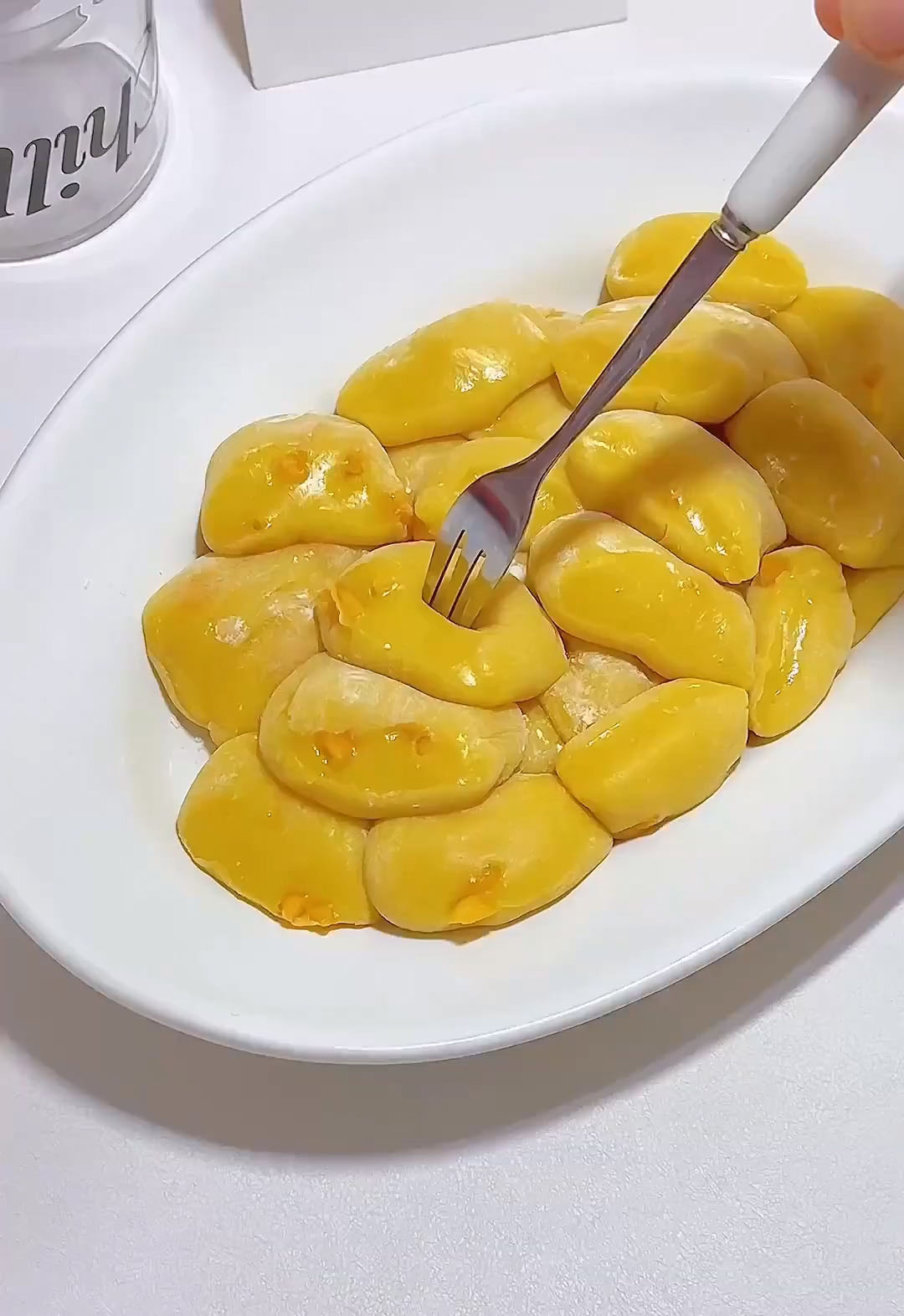
I’m a big fan of mochi and love experimenting with different flavors.
If you love mochi as much as I do, be sure to check these out below.
- Osmanthus Mochi
- Matcha Mochi Bites
- Brown Sugar Pearl Mochi
- Sweet Potato Mochi with Cheese
- Watermelon Mochi Bites
- Passionfruit Mochi
- Cherry Mochi
- Chocolate Mochi
So I’m really excited to share this Mango Mochi—it’s honestly one of the easiest mochi recipes I’ve made. It’s quick, requires no steaming, and comes together so effortlessly.
This recipe combines two of my favorite things: soft, chewy mochi and sweet, juicy mango.
The result is a perfectly soft, stretchy treat with a refreshing fruity flavor that’s hard to resist.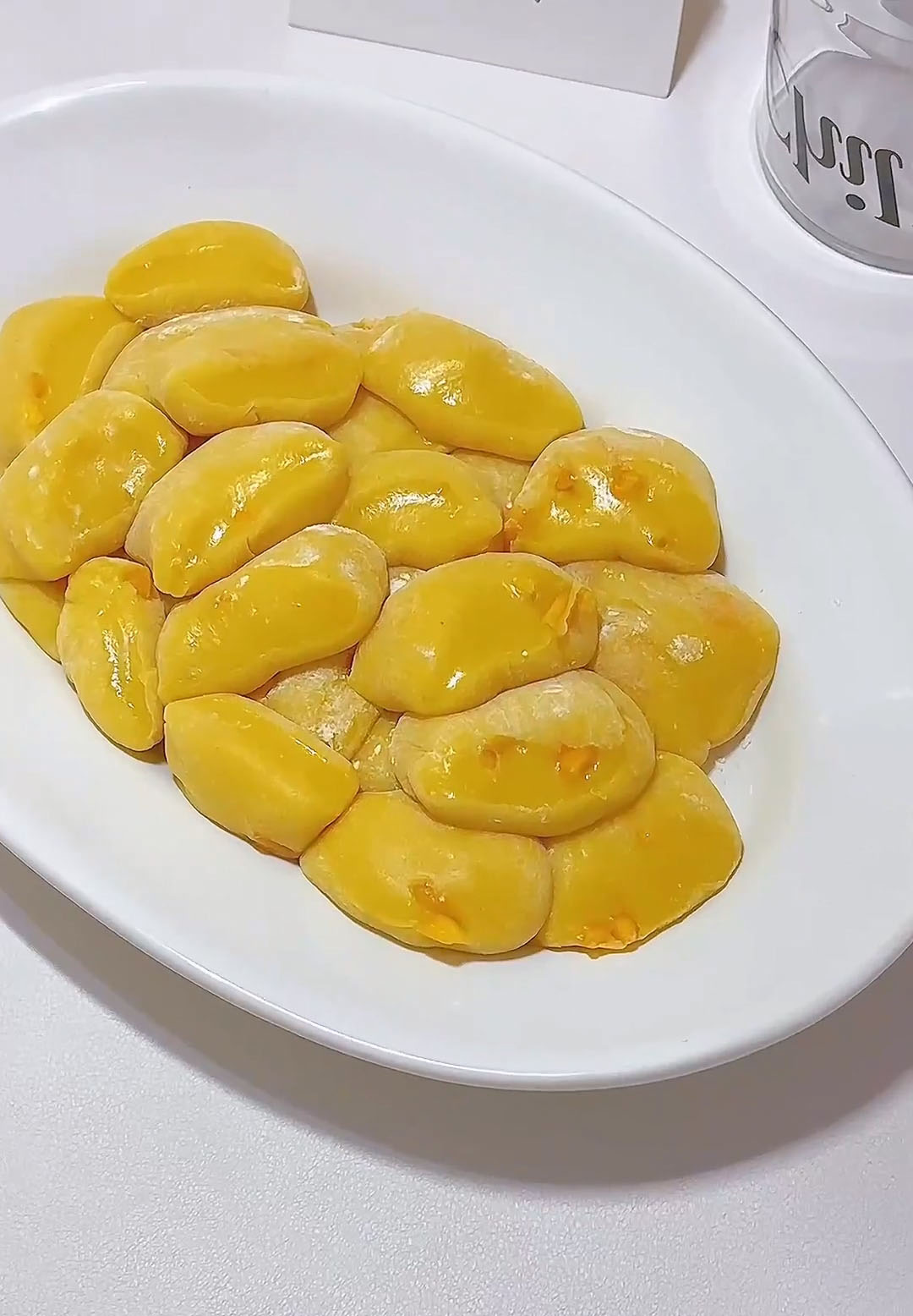
Why you’ll love this recipe
- No steaming or baking required—just one non-stick pan
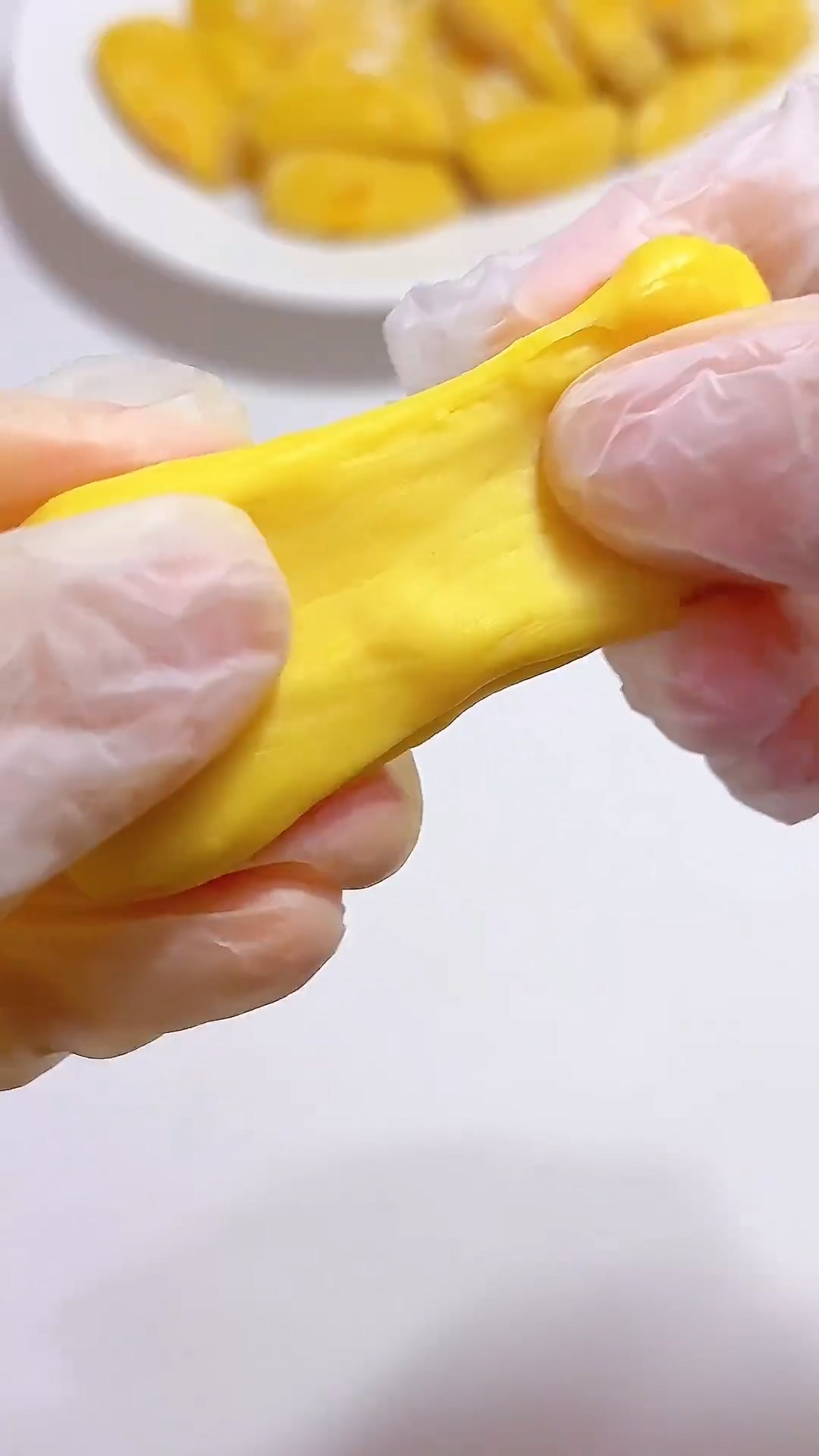
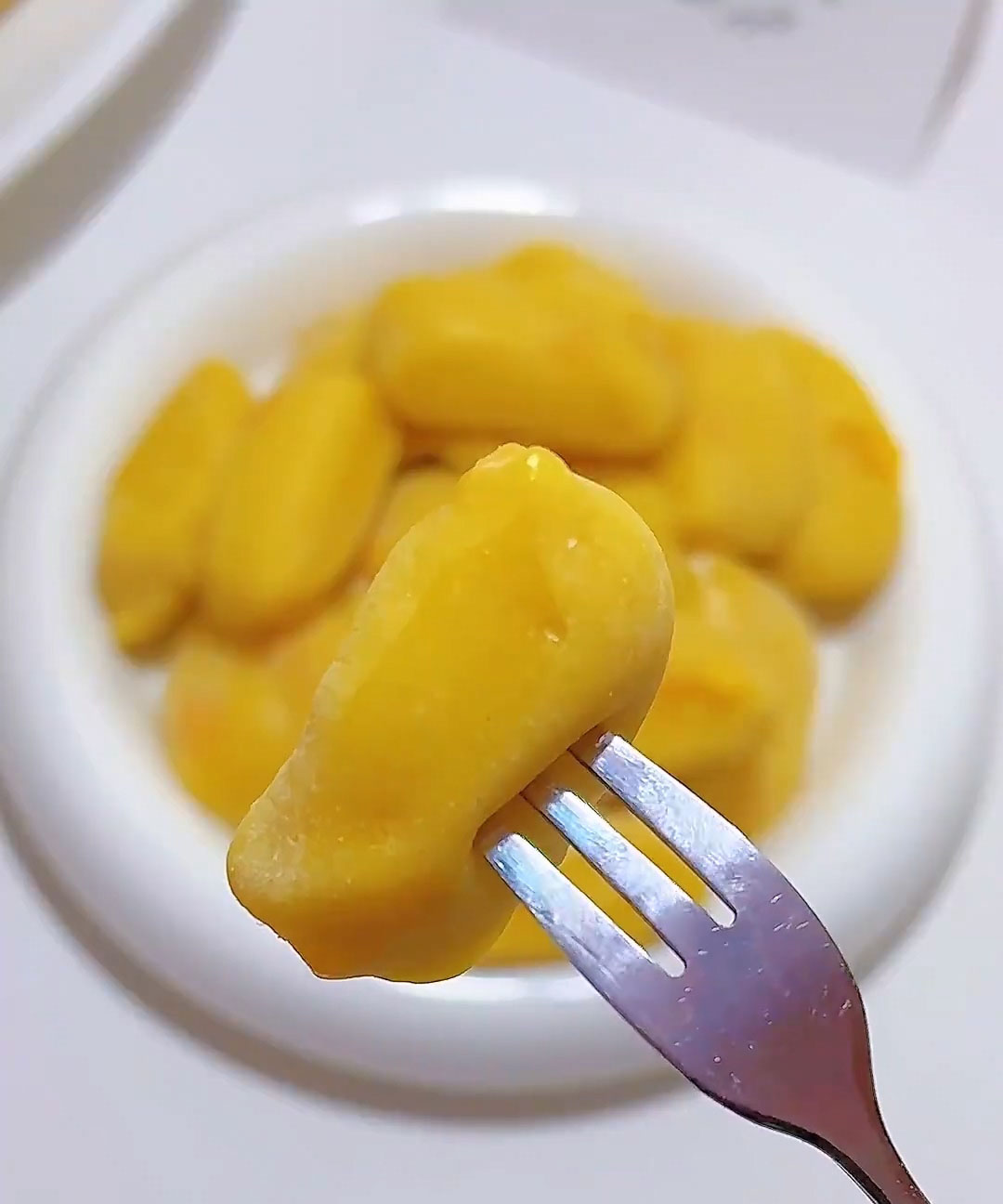
- Soft, chewy, and slightly stretchy mochi texture
- Packed with real mango flavour from fresh puree and dried mango
- Simple ingredients and beginner-friendly steps
- Quick to make with minimal cleanup
- Perfect as a snack, dessert, or sweet treat to share
Ingredients and Substitutions
- Glutinous Rice Flour – Also known as sweet rice flour or mochiko, this is the essential ingredient for achieving that signature soft, chewy, stretchy texture. Regular rice flour will not work—it lacks the high starch content needed for that characteristic mochi pull. I recommend using a good-quality glutinous rice flour labeled specifically for mochi or Japanese sweets.
- Cornstarch – This helps lighten the texture of the mochi and contributes to its soft, tender consistency. It works alongside the glutinous rice flour to create the perfect balance of chewiness and tenderness. Do not substitute with other starches unless specified.
- Granulated Sugar – A moderate amount of sugar adds sweetness that complements the natural tanginess of the mango. The sugar also plays a role in the texture, helping to keep the mochi soft and preventing it from becoming too firm as it cools.
- Corn Oil – A neutral-flavored oil that adds moisture and helps create a smooth, pliable dough. Corn oil is flavorless, so it won’t interfere with the mango taste. You can substitute with any neutral vegetable oil such as canola, sunflower, or grapeseed oil. Avoid strongly flavored oils like olive oil, as they will affect the final taste.
- Mango Puree – This is where the vibrant mango flavor comes from. Use fresh, ripe mangoes to make a smooth, lump-free puree. The natural sweetness and tanginess of the mango will shine through in every bite. If using frozen mango, thaw completely and drain any excess liquid before pureeing.
- Dried Mango Cubes – These little bursts of concentrated mango add texture, chewiness, and an extra layer of fruity sweetness throughout the mochi. Look for soft, pliable dried mangoes and cut them into small cubes.
- Roasted Glutinous Rice Flour – This is used as a dusting to prevent the mochi from sticking to your hands and work surface. You can make it by toasting glutinous rice flour in a dry pan over low heat until lightly golden and fragrant, or you can purchase pre-roasted flour.
Ingredients
Mango Mochi Dough
- 150 g glutinous rice flour
- 30 g cornstarch
- 30 g granulated sugar
- 20 g corn oil
- 200 g mango puree
Filling & Dusting
- 30 g dried mango cubes
- Roasted glutinous rice flour (as needed, to prevent sticking)
How to Make No-Bake, No-Steam Mango Mochi
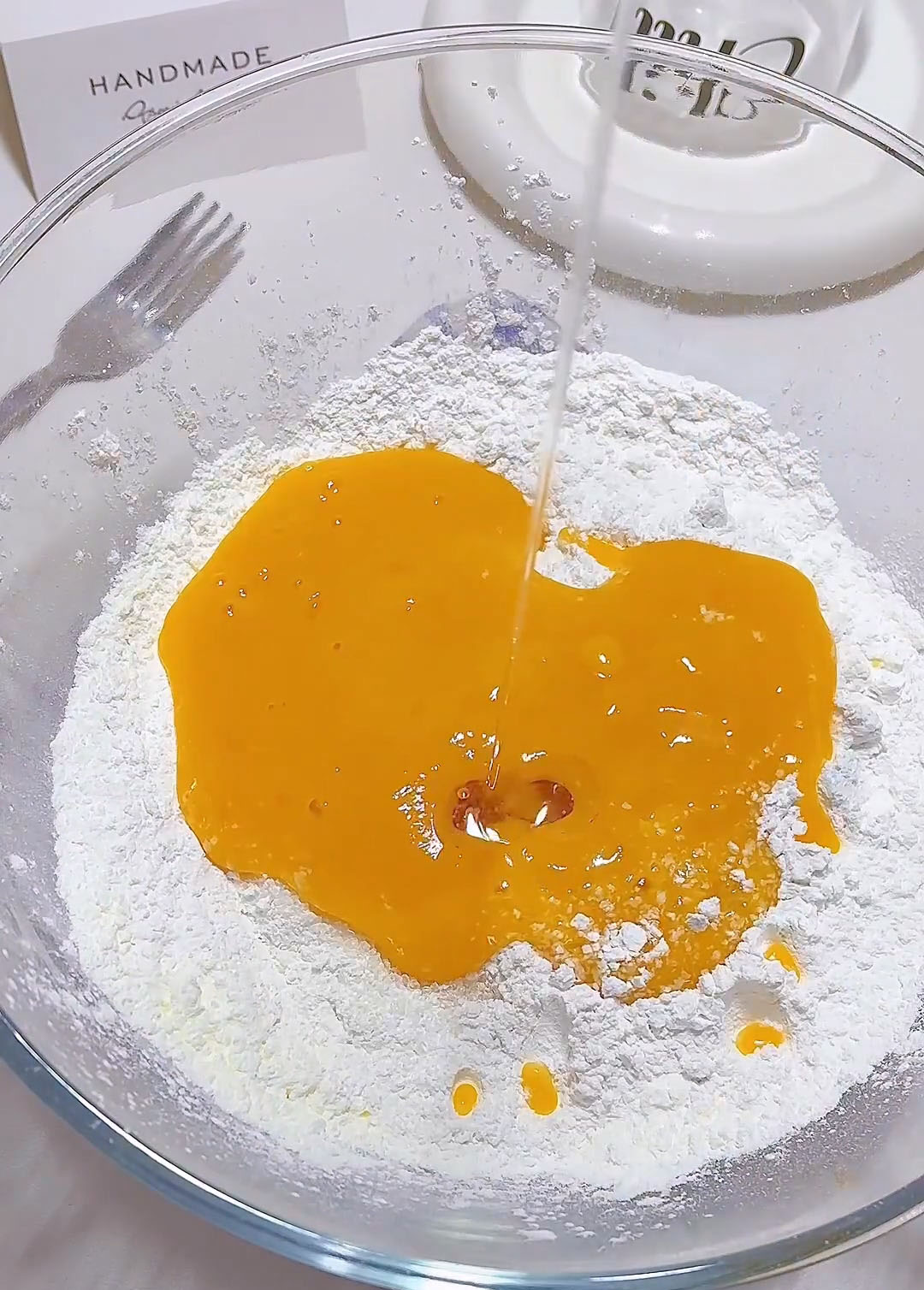
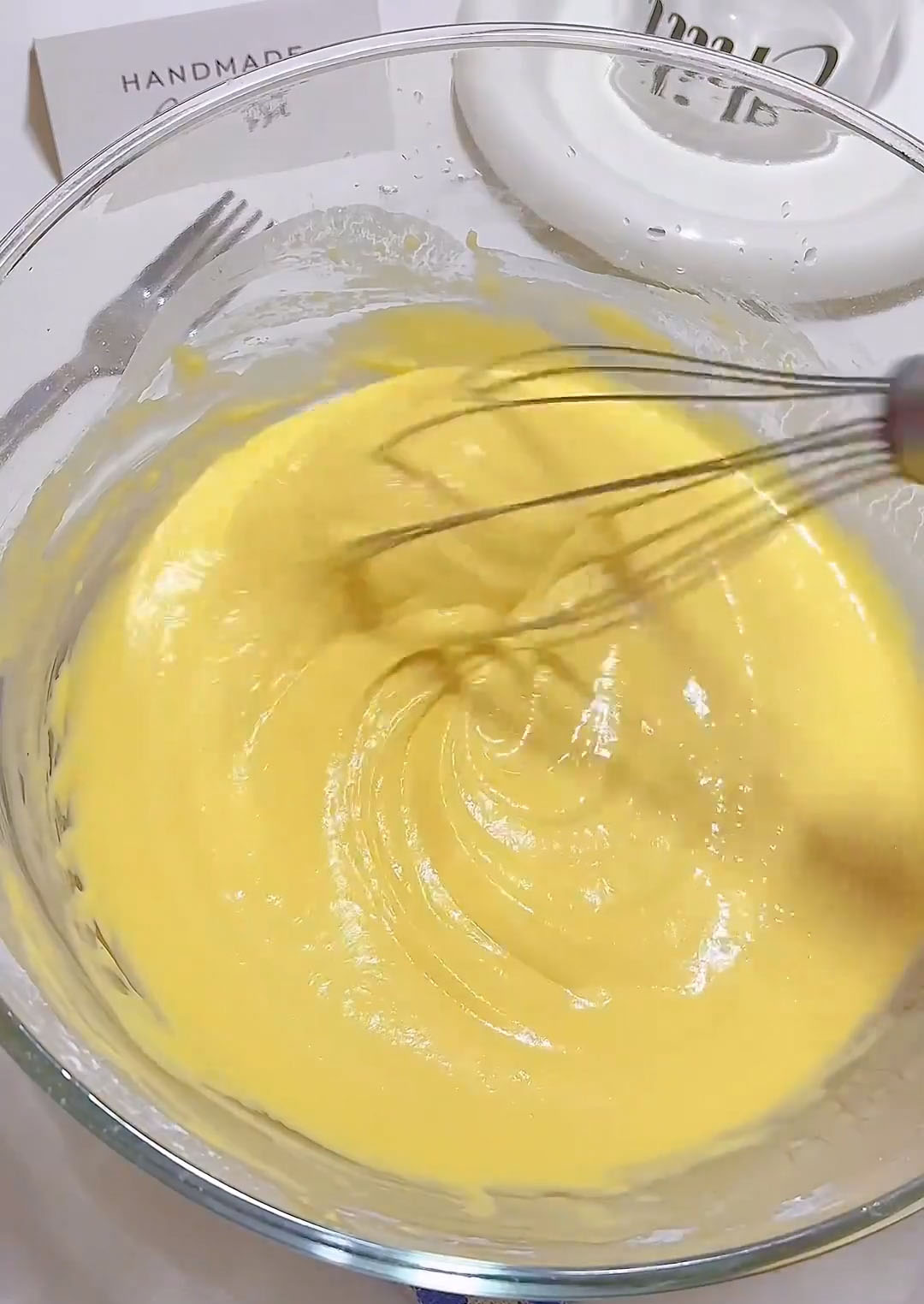
- Mix the wet and dry ingredients: In a mixing bowl, combine 150 g glutinous rice flour, 30 g cornstarch, 30 g granulated sugar, 20 g corn oil, and 200 g mango puree. Stir everything together with a whisk or spatula until the mixture is well combined, smooth, and free of any lumps. The batter should be thick but pourable.
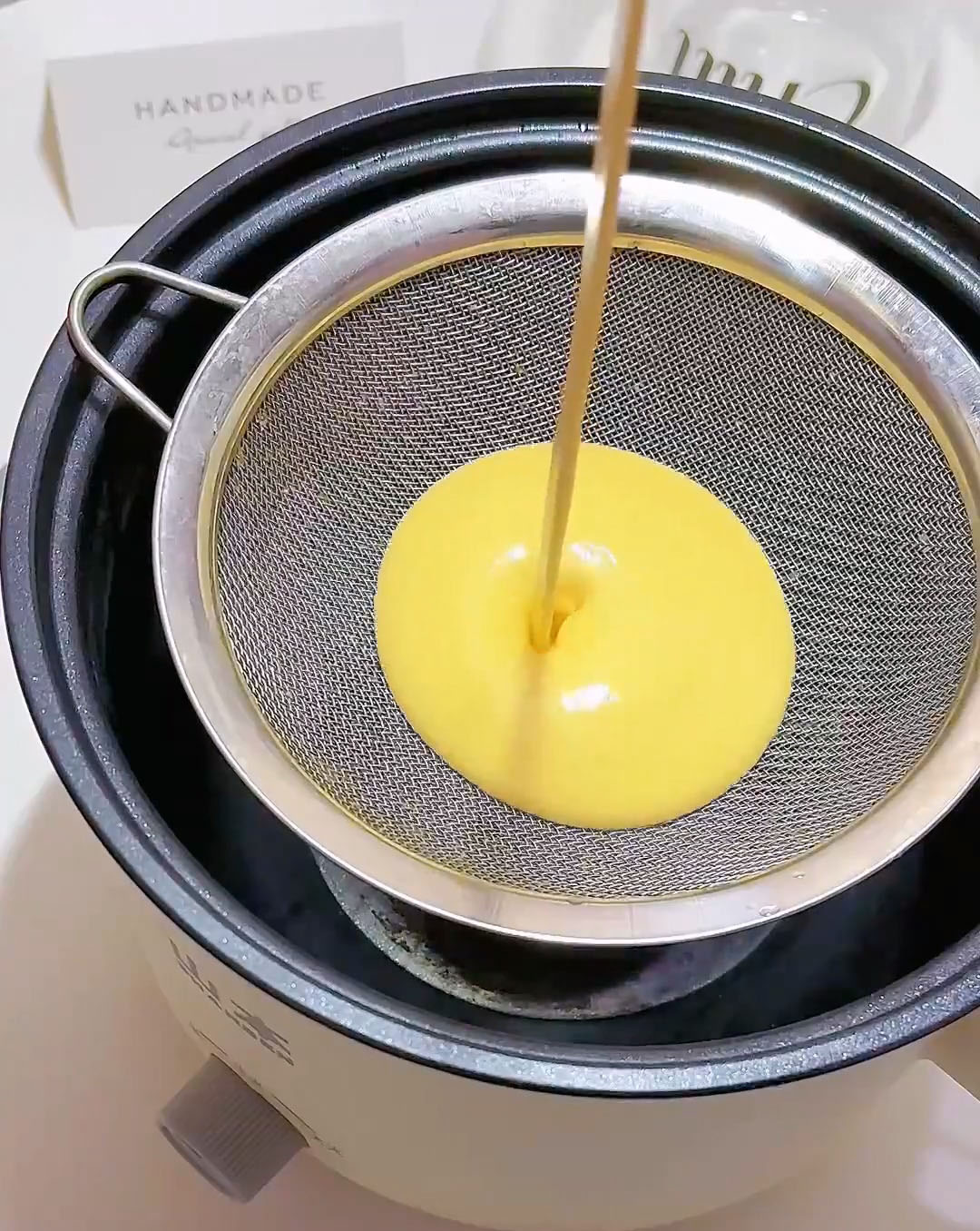
- Strain into the pan: For the smoothest texture, strain the mixture through a fine-mesh sieve directly into a non-stick pan.
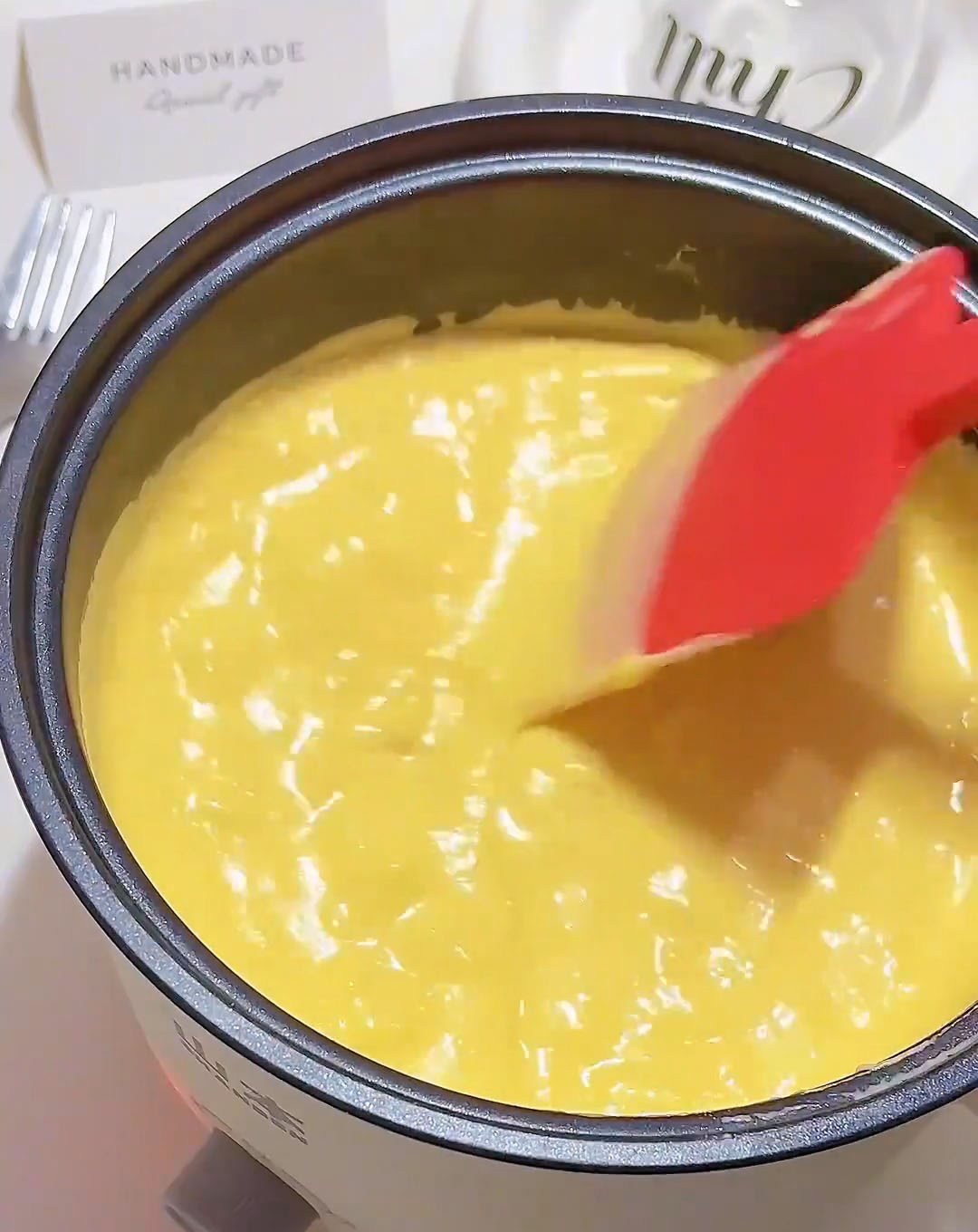
- Cook over low heat: Place the non-stick pan over low heat. Cook the mixture, stirring constantly with a spatula, as it gradually thickens and comes together into a cohesive dough. Continue stirring and folding until the dough pulls away from the sides of the pan and forms a single, solid mass.
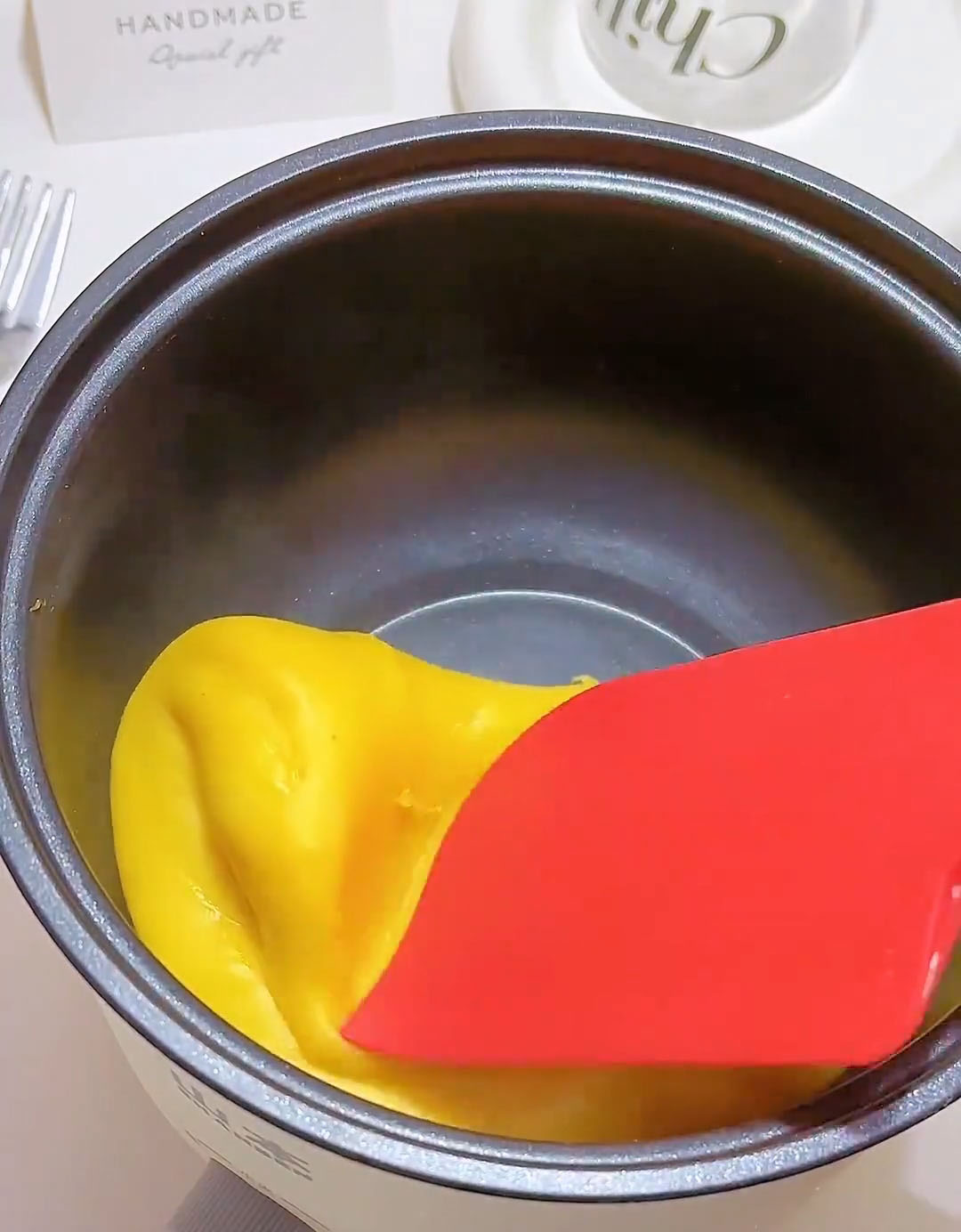
- Knead until smooth: Once the dough has come together, remove from heat. After the dough has cooled, put on gloves and repeatedly pull and stretch the dough until it becomes smooth. Keep working the dough until it becomes smooth, elastic, and glossy—this usually takes about 3–5 minutes of consistent folding and pulling.
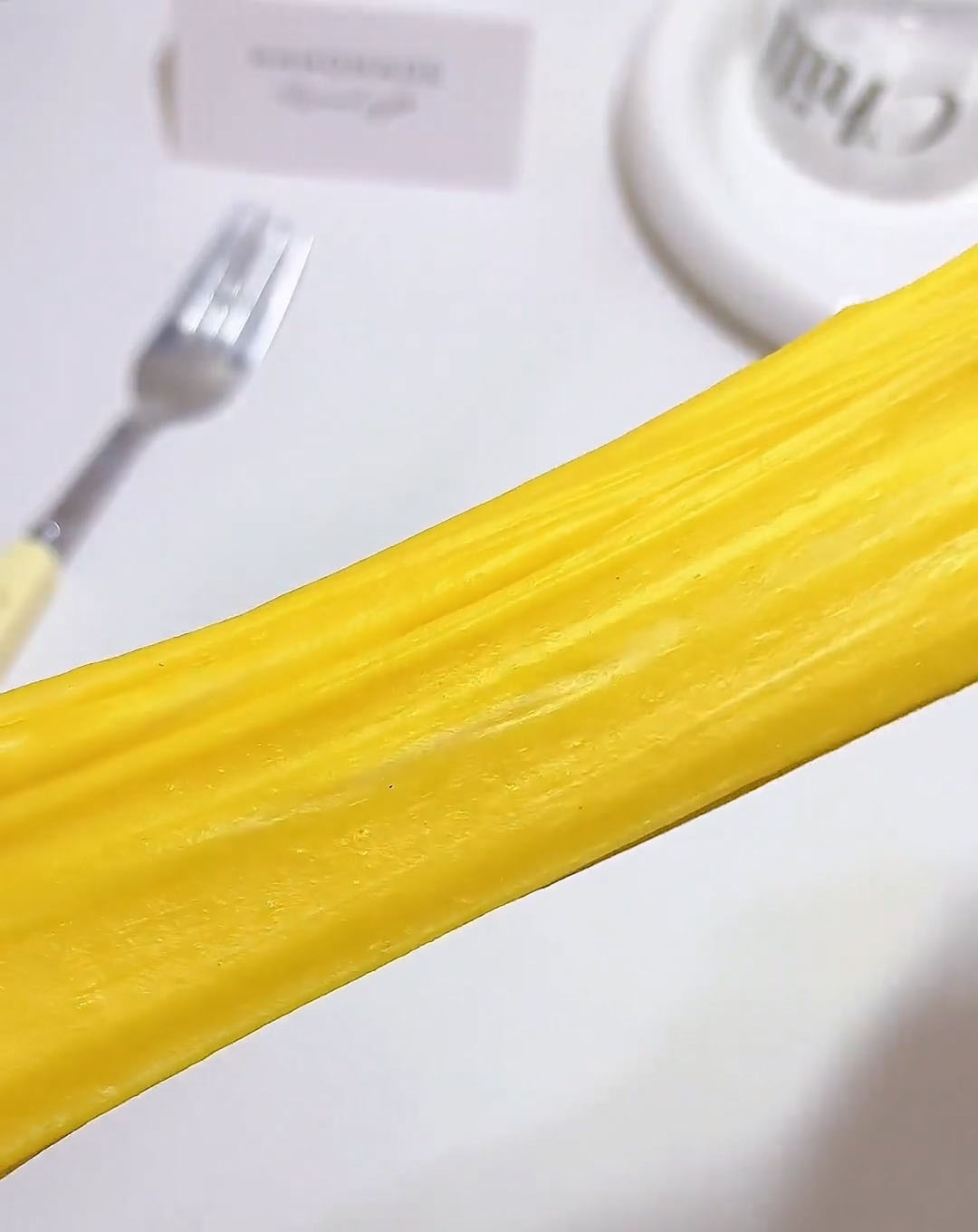
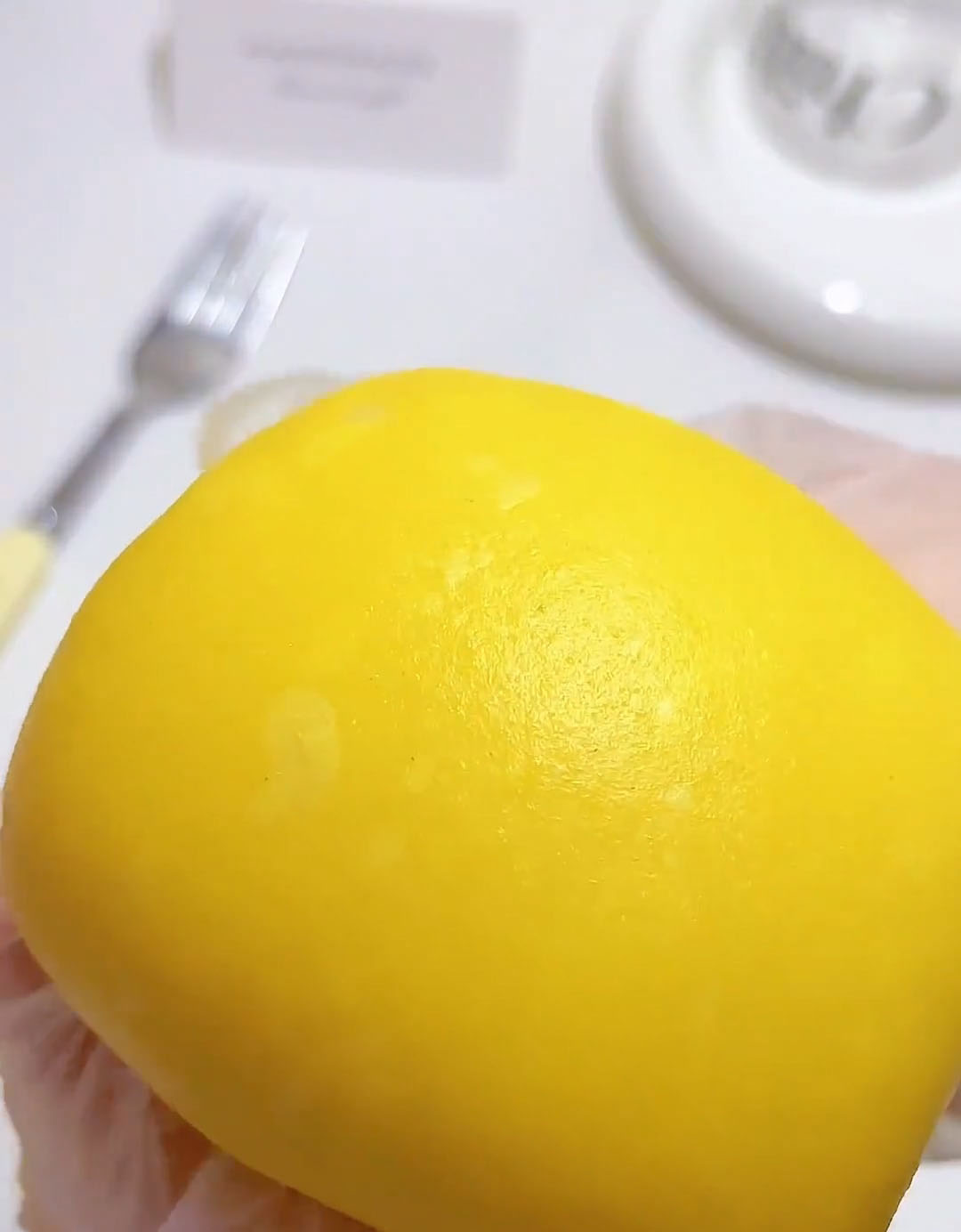
- Add the dried mango cubes: Add 30 g of dried mango cubes to the dough. Fold, pull, and knead the dough until the dried mango cubes are evenly distributed throughout.
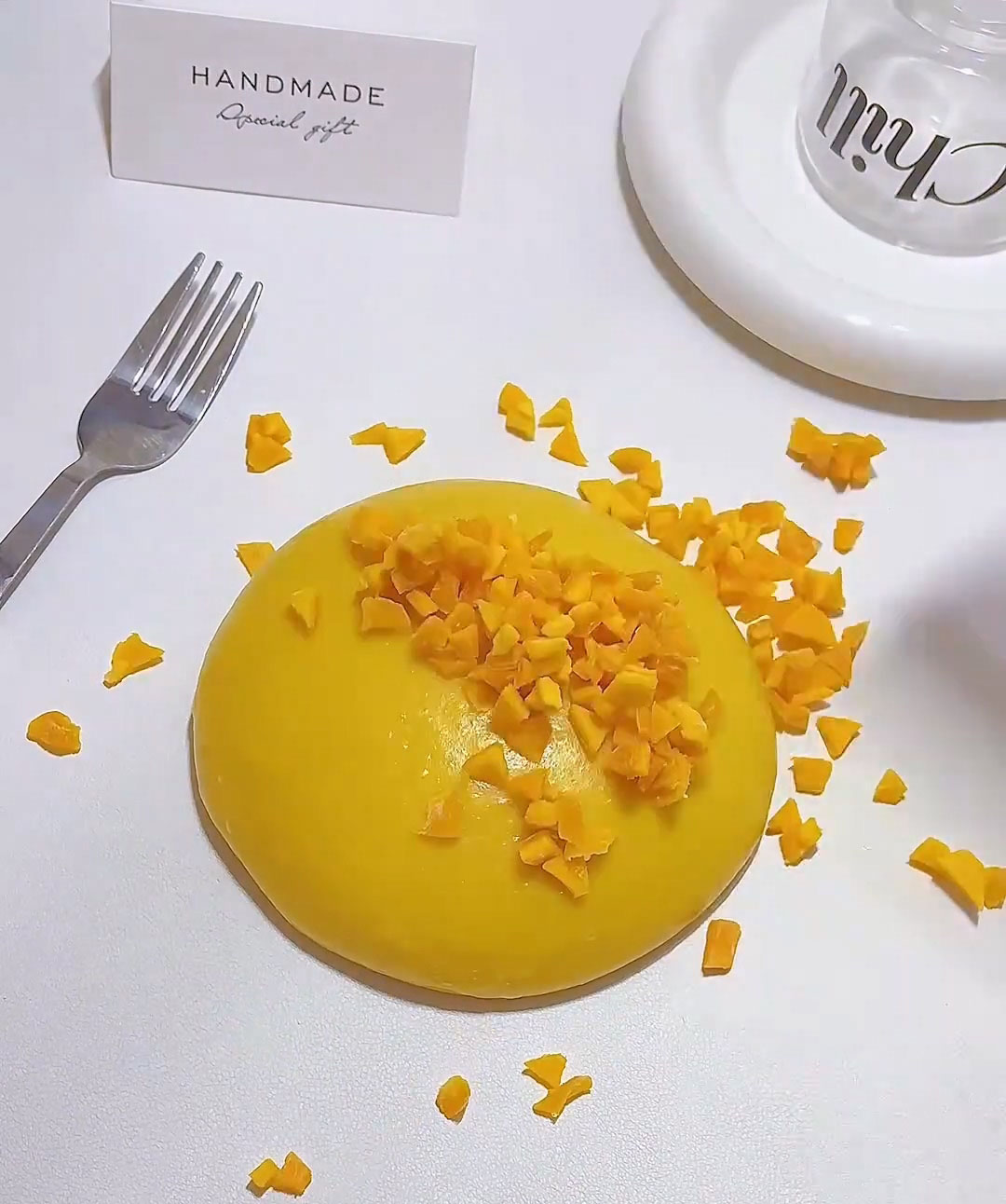
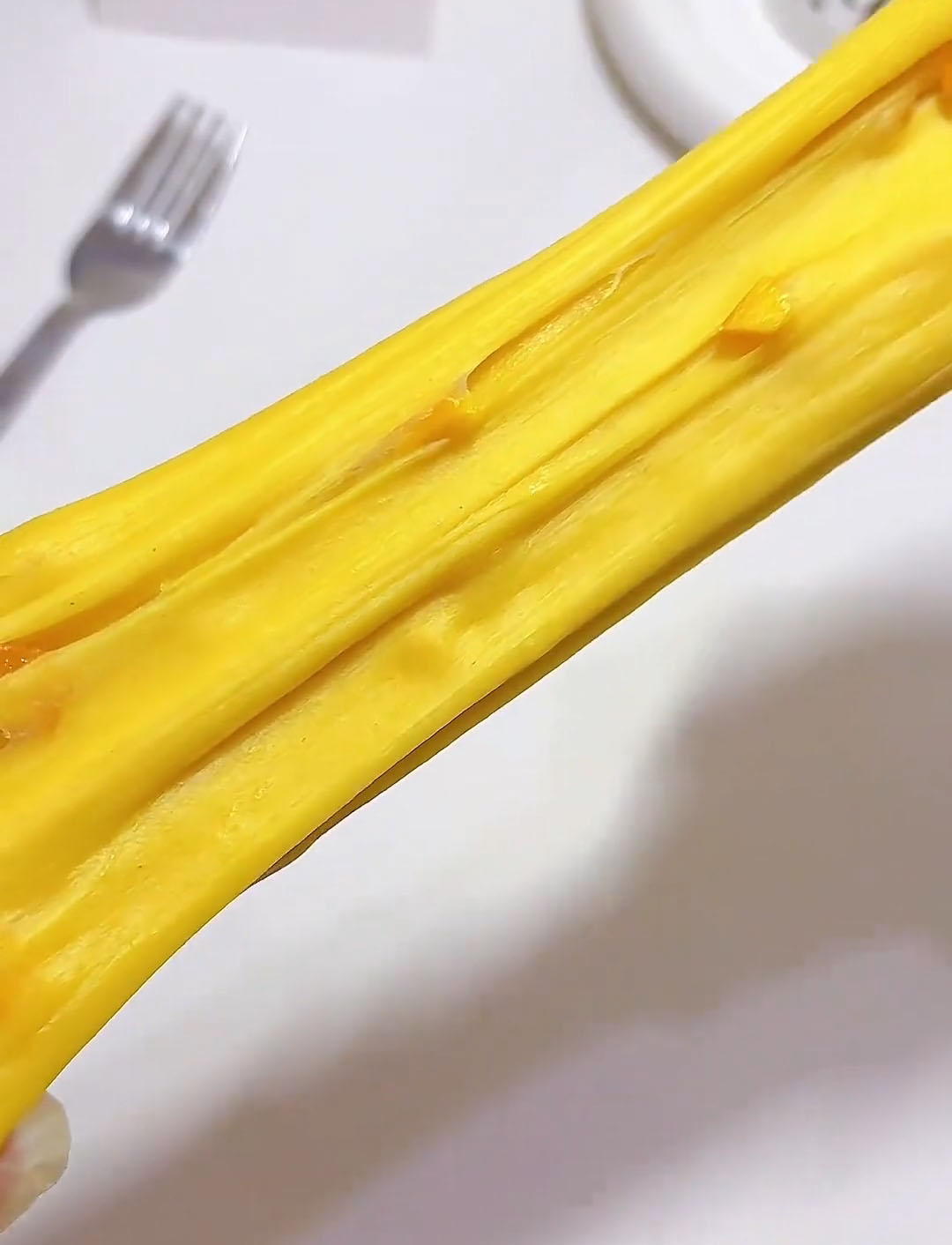
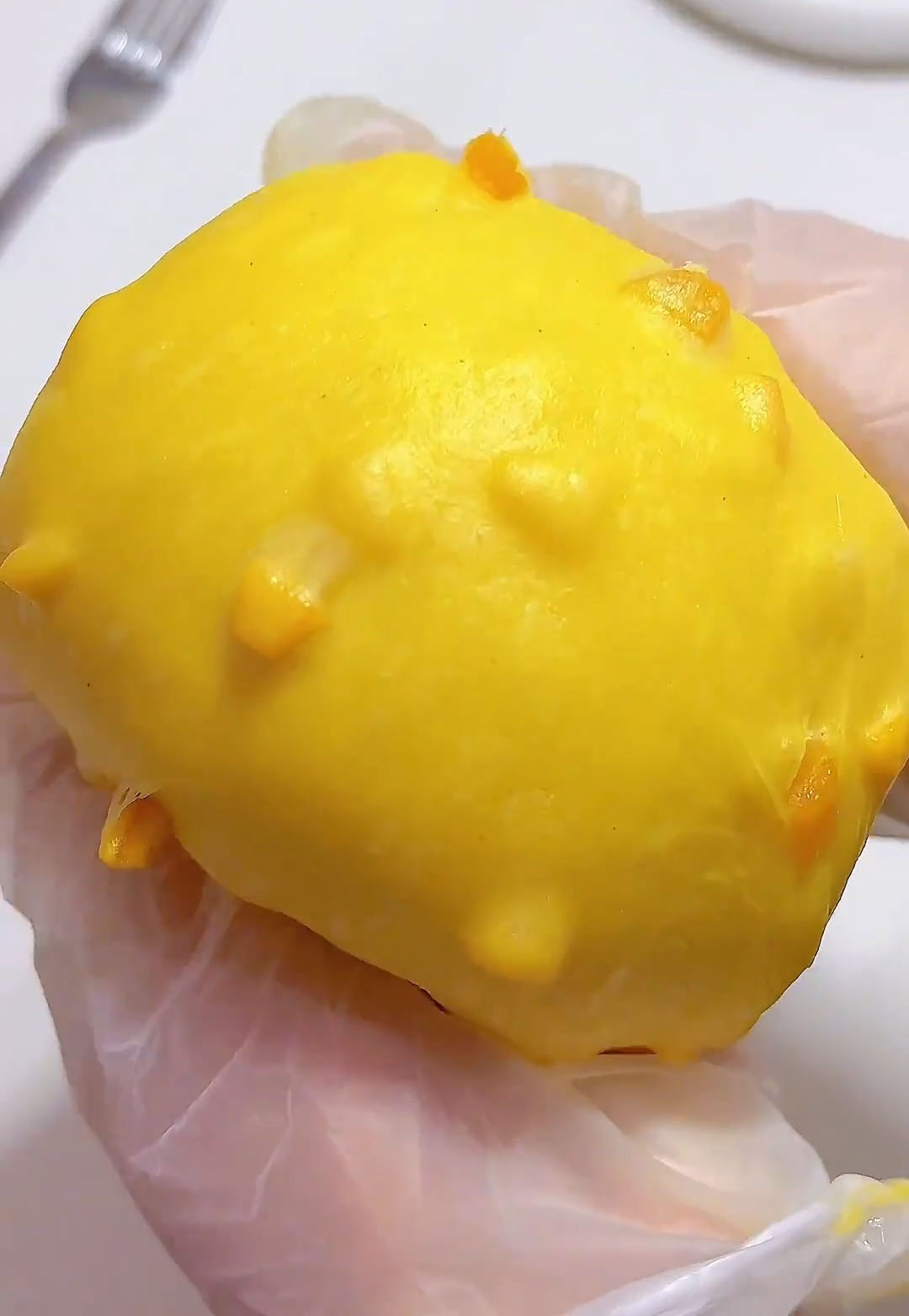
- Dust with roasted glutinous rice flour: Sprinkle a generous amount of roasted glutinous rice flour onto your work surface and your hands. Transfer the dough to the floured surface and coat it lightly with the flour to prevent sticking.
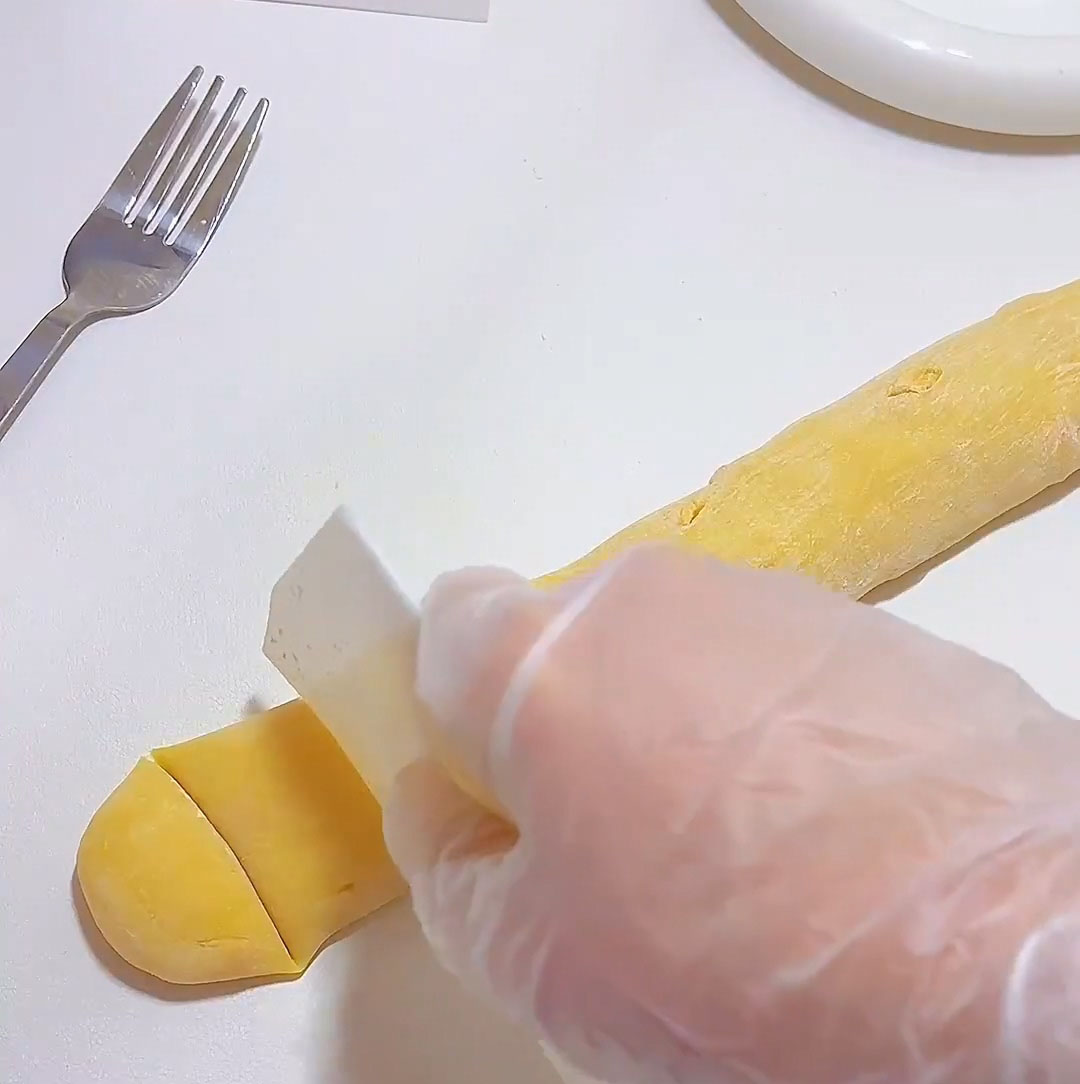
- Shape and cut: Roll the dough into a long, even log. Using a sharp knife or bench scraper, cut the log into small, bite-sized pieces. Dust each piece lightly with more roasted glutinous rice flour if needed.
Tips & Tricks
- Use a non-stick pan: This is absolutely essential. The mochi dough is extremely sticky during the cooking process, and a non-stick pan ensures that it releases easily and doesn’t stick or burn. Do not substitute with a regular pan, or you’ll end up with a sticky, frustrating mess.
- Keep the heat low: Patience is key when cooking the mochi dough. Always cook over low heat. High heat will cause the mixture to cook too quickly on the outside while remaining raw inside, and it increases the risk of burning. Low, steady heat allows the dough to cook evenly and develop that perfect chewy texture.
- Don’t skip the stretching and pulling: The step where you repeatedly fold, press, and pull the dough is what gives mochi its signature elastic, stretchy texture. This process develops the gluten-like structure in the glutinous rice flour, creating that beloved “pull” that makes mochi so satisfying to eat. Be patient and work the dough until it’s smooth and glossy.
- Prepare your work surface ahead of time: Roasted glutinous rice flour is essential for preventing the mochi from sticking to everything. Have it ready on your work surface and on your hands before you start shaping. If you don’t have roasted glutinous rice flour, you can make it by toasting regular glutinous rice flour in a dry pan over low heat for 3–5 minutes until lightly golden and fragrant.
Frequently asked questions
Why is my mochi too sticky?
Mochi dough is naturally sticky, but if it’s too difficult to handle, you may need more cooked glutinous rice flour for dusting.
Why is my mochi not chewy?
This usually happens if the dough wasn’t cooked long enough. Make sure it forms a smooth, elastic dough before removing from heat.
Can I skip the dried mango?
Yes! You can leave it out if you prefer a smoother texture, or replace it with other dried fruits.
Can I make this ahead of time?
Mochi is best enjoyed fresh on the day it’s made, but you can store it for a short time and soften it before serving.
Is this mochi gluten-free?
Yes! Glutinous rice flour is naturally gluten-free. However, if you have celiac disease or a severe gluten sensitivity, be sure to check that your cornstarch and any other ingredients are certified gluten-free, as cross-contamination can sometimes occur during processing.
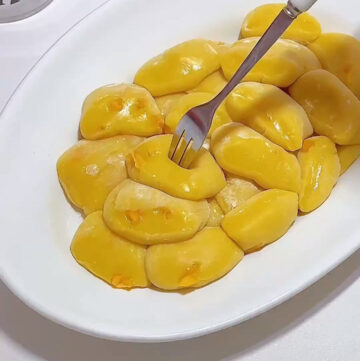
Mango Mochi with Real Mango – Chewy & Delicious
Ingredients
Mango Mochi Dough
- 150 g glutinous rice flour
- 30 g cornstarch
- 30 g granulated sugar
- 20 g corn oil
- 200 g mango puree
Filling & Dusting
- 30 g dried mango cubes
- Roasted glutinous rice flour as needed, to prevent sticking
Instructions
- Mix the wet and dry ingredients: In a mixing bowl, combine 150 g glutinous rice flour, 30 g cornstarch, 30 g granulated sugar, 20 g corn oil, and 200 g mango puree. Stir everything together with a whisk or spatula until the mixture is well combined, smooth, and free of any lumps. The batter should be thick but pourable.
- Strain into the pan: For the smoothest texture, strain the mixture through a fine-mesh sieve directly into a non-stick pan.
- Cook over low heat: Place the non-stick pan over low heat. Cook the mixture, stirring constantly with a spatula, as it gradually thickens and comes together into a cohesive dough. Continue stirring and folding until the dough pulls away from the sides of the pan and forms a single, solid mass.
- Knead until smooth: Once the dough has come together, remove from heat. After the dough has cooled, put on gloves and repeatedly pull and stretch the dough until it becomes smooth. Keep working the dough until it becomes smooth, elastic, and glossy—this usually takes about 3–5 minutes of consistent folding and pulling.
- Add the dried mango cubes: Add 30 g of dried mango cubes to the dough. Fold, pull, and knead the dough until the dried mango cubes are evenly distributed throughout.
- Dust with roasted glutinous rice flour: Sprinkle a generous amount of roasted glutinous rice flour onto your work surface and your hands. Transfer the dough to the floured surface and coat it lightly with the flour to prevent sticking.
- Shape and cut: Roll the dough into a long, even log. Using a sharp knife or bench scraper, cut the log into small, bite-sized pieces. Dust each piece lightly with more roasted glutinous rice flour if needed.
Leave a Reply