
Mochi is truly one of my all-time favorite desserts — soft, chewy, and endlessly versatile. Once you master how to make the basic mochi skin, you can transform it into so many creative variations just by changing the flavor or the filling. It’s amazing how one simple dough can become so many unique and delicious treats!
Here are some of my favorite mochi recipes I’ve shared:
- Osmanthus Mochi
- Matcha Mochi Bites
- Brown Sugar Pearl Mochi
- Sweet Potato Mochi with Cheese
- Watermelon Mochi Bites
- Passionfruit Mochi
Why you’ll love this recipe
- Each daifuku has a soft, chewy skin and a juicy whole mandarin center — it’s bright, creamy, and irresistible.
- The orange mochi skin is naturally fragrant with milk and butter, perfectly balancing the light sweetness of the cream.
- The recipe is beginner-friendly and uses simple ingredients you can easily find.
- It stores beautifully in the fridge, making it a perfect make-ahead dessert for special occasions.
- It’s stunning to serve — the bright orange color and glossy texture make it look like a real mini mandarin!



How to Wrap Orange Daifuku
My favorite trick for a perfectly shaped, stress-free daifuku is to use a small bowl or cup as a mold—just like I do in my Strawberry Mochi recipe!
Here’s how I do it:
Take a portion of your mochi dough and roll it out into a circle on a surface dusted with toasted glutinous rice flour.
Gently drape the rolled dough over a small bowl or ramekin. This instantly creates a perfect little “cup” that holds its shape.
Now, simply fill this cup with your whipped cream and a whole mandarin.
Carefully gather the edges of the mochi up and over the filling, and pinch them together at the top to seal.
Ingredients and substitutions
- Glutinous rice flour – This is the key to the soft and stretchy mochi texture. I recommend using water-milled glutinous rice flour for the smoothest and most elastic skin.
- Cornstarch – Adds bounce and transparency to the mochi skin while reducing stickiness. It can’t be replaced with other starches if you want that perfect chewy finish.
- Milk – Whole milk gives the mochi skin a subtle creaminess and fragrance. You can substitute it with water, but the flavor will be less rich.
- Granulated sugar – Balances the mild bitterness of rice flour and adds a touch of sweetness. You can adjust it slightly depending on your taste preference.
- Unsalted butter – Stirred in after steaming, it gives the mochi dough a silky texture and helps prevent sticking. Avoid strongly flavored oils that could alter the taste.
- Orange food coloring – Optional, but a small amount will give the mochi a beautiful mandarin-orange hue that makes it extra charming.
- Cooked glutinous rice flour (roasted flour) – Used for dusting to prevent sticking when shaping and assembling the mochi. Tips: Add raw glutinous rice flour to a dry nonstick pan. Toast over low heat, stirring constantly for 3–5 minutes until it turns light ivory and smells slightly nutty.
Let it cool completely before using or storing in an airtight container. - Heavy cream – Use animal-based heavy cream with at least 30% fat. Chill it for at least 8 hours before whipping to ensure it holds its shape and stays stable.
- Mandarins (sugar mandarins or tangerines) – Choose small, juicy, and sweet mandarins with thin skin. Peel before assembling. Each daifuku uses one whole fruit for the perfect burst of flavor.
How to make Orange Daifuku
Make the mochi batter
In a large mixing bowl, add glutinous rice flour, cornstarch, and sugar. Gradually whisk in milk until you have a smooth, lump-free batter.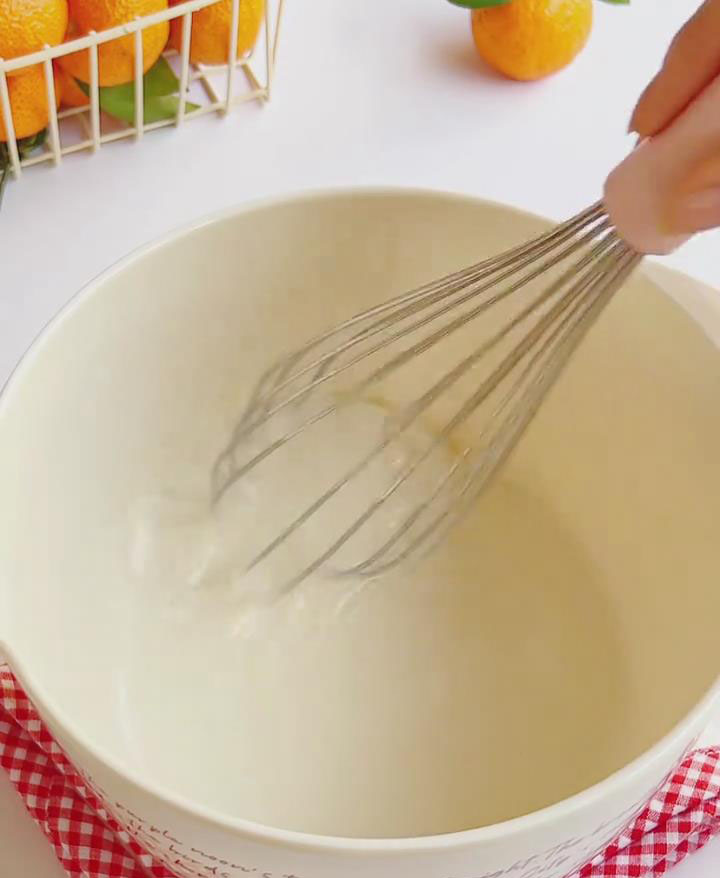
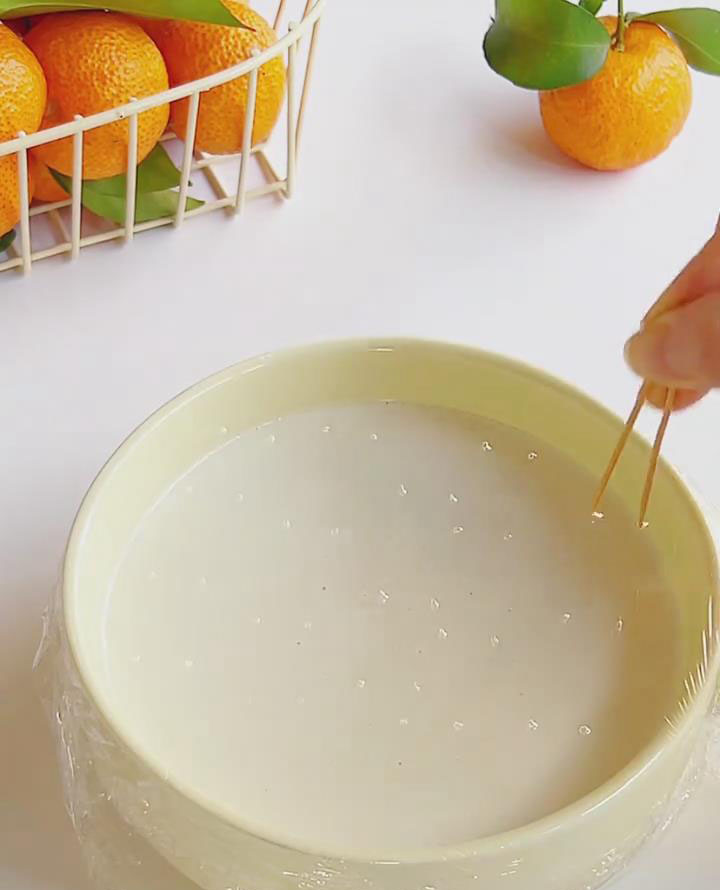
Strain the mixture through a fine sieve to ensure the texture is silky. Cover the bowl with plastic wrap and poke a few holes on top to allow steam circulation.
Steam and knead the mochi dough
Prepare a steamer and bring the water to a boil. Place the covered bowl inside and steam for 20 minutes over medium heat without opening the lid.
Once steamed, immediately stir in the unsalted butter while the dough is still hot. Mix until fully combined.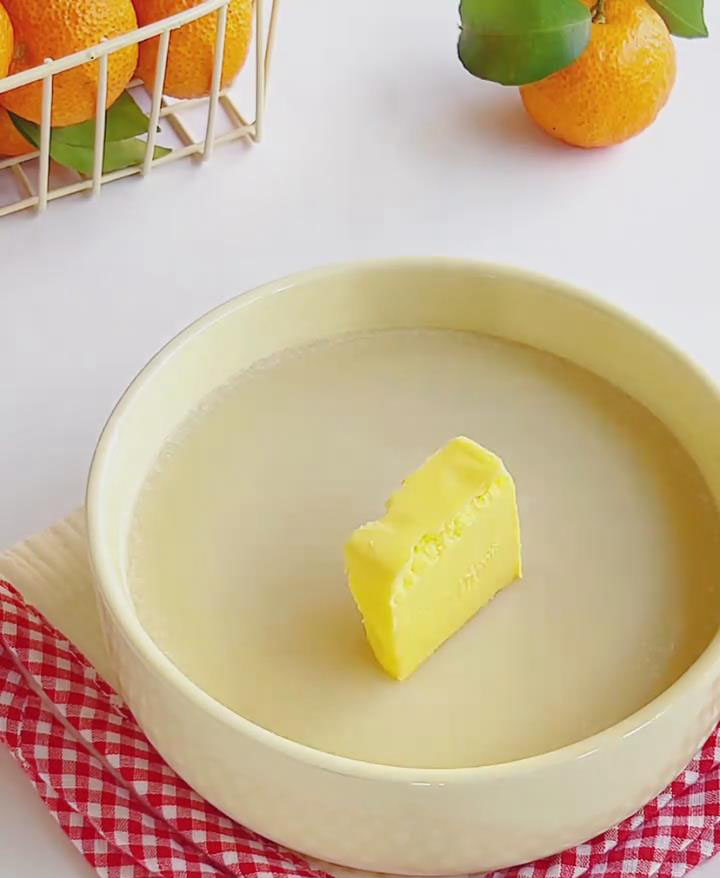
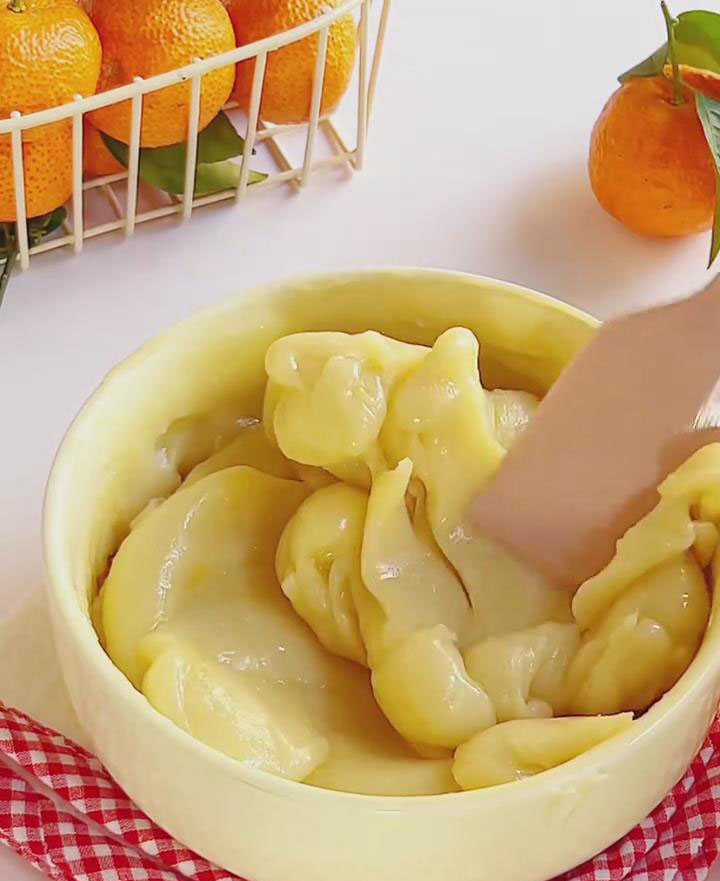
When the dough cools slightly (about 40°C or warm to the touch), knead it with gloved hands for 5–8 minutes until smooth and stretchy.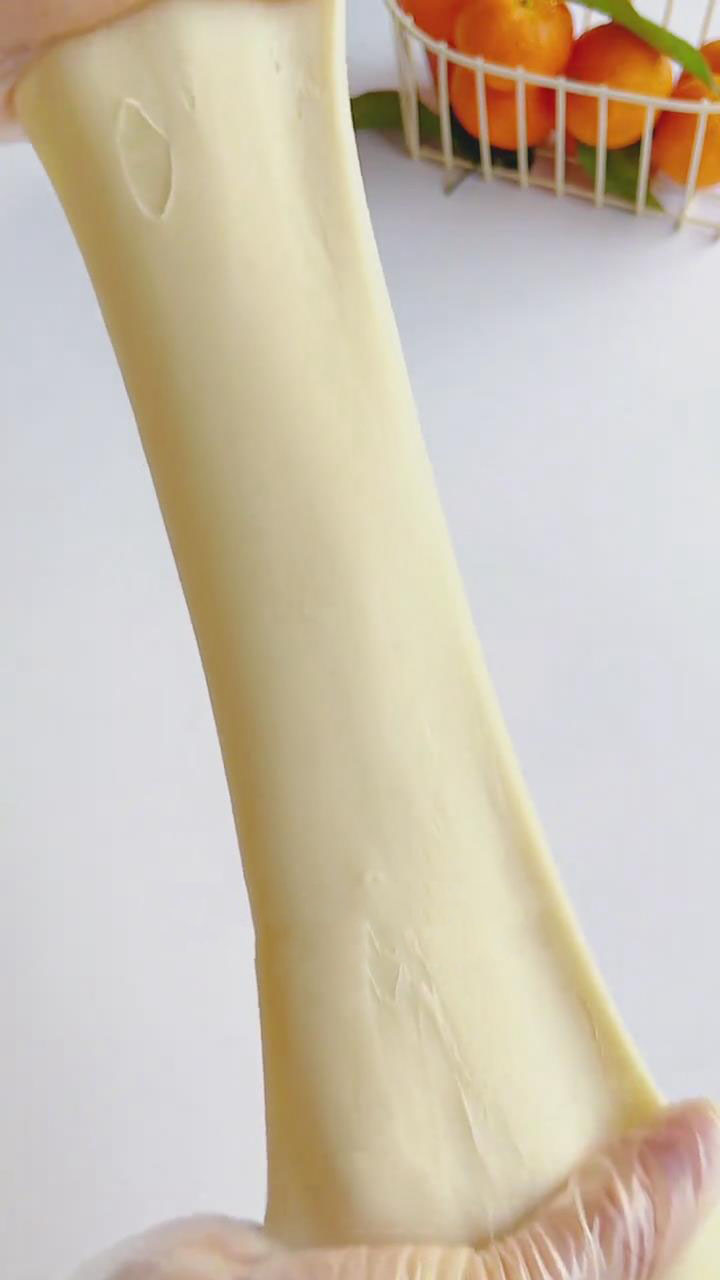
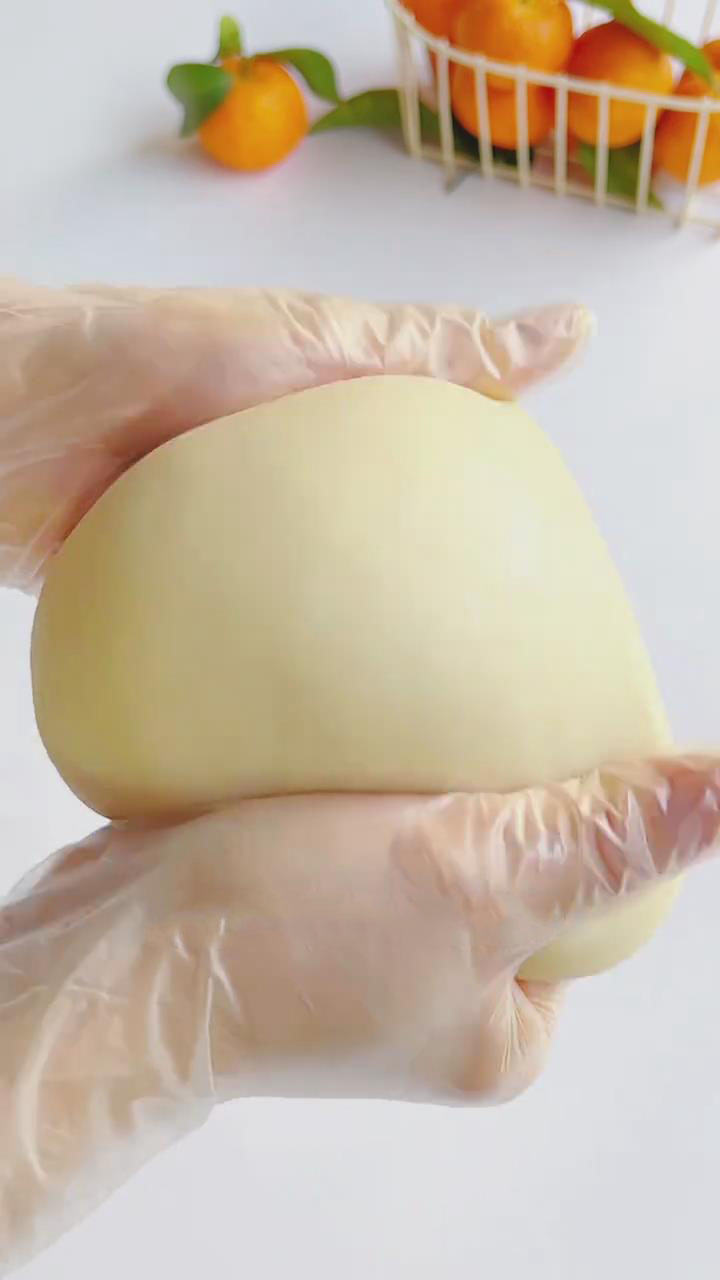
If using food coloring, knead it in until the color is even. Divide the dough into 30 g portions and keep covered with plastic wrap to prevent drying.
Whip the cream
In a cold, grease-free bowl, whip the chilled heavy cream and sugar with an electric hand mixer on medium speed until stiff peaks form. The cream should hold its shape without drooping. Store in the refrigerator until needed.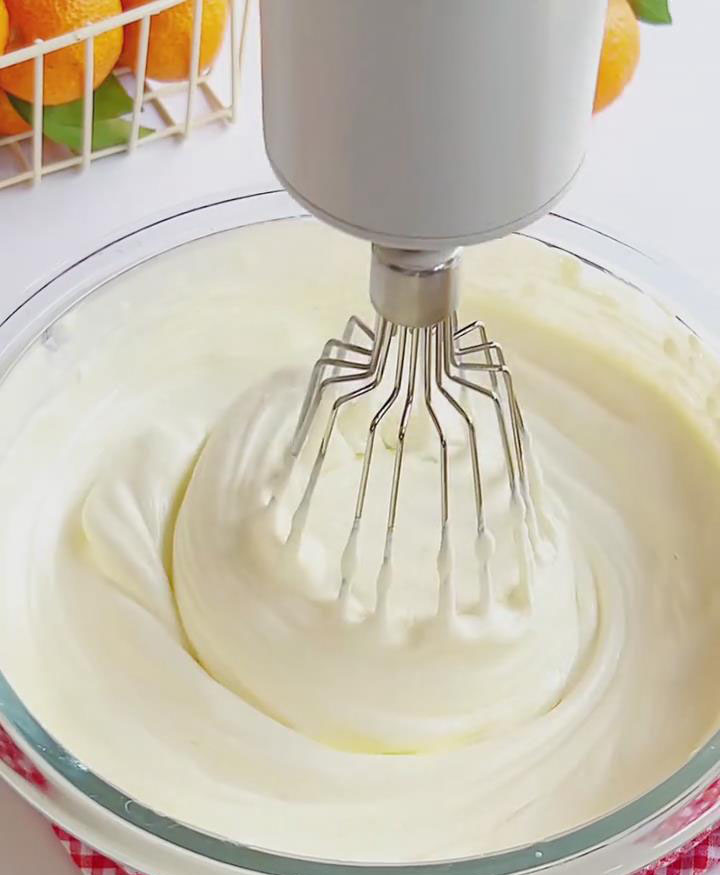
Assemble the daifuku
Lightly dust your surface and rolling pin with cooked glutinous rice flour. Roll out one mochi piece into a circle about 8 cm in diameter — slightly thicker in the middle and thinner on the edges.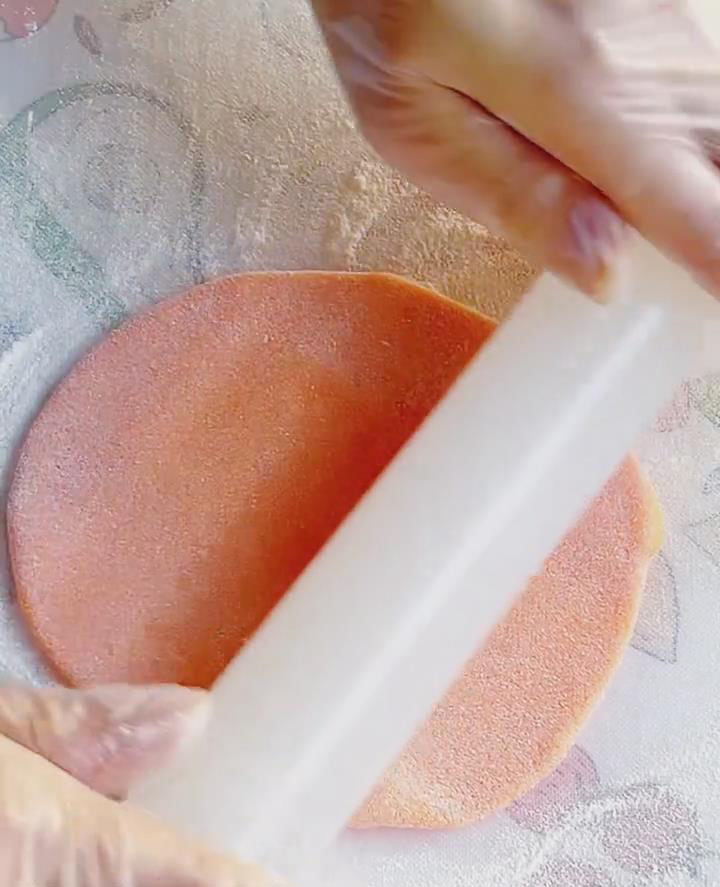
Place it into a small bowl mold. Pipe or spoon some whipped cream into the center, add a peeled mandarin, and top with another small spoonful of cream.
Gather the edges toward the center, pinch to seal tightly, and trim any excess dough. Coat the daifuku lightly with cooked glutinous rice flour to prevent sticking.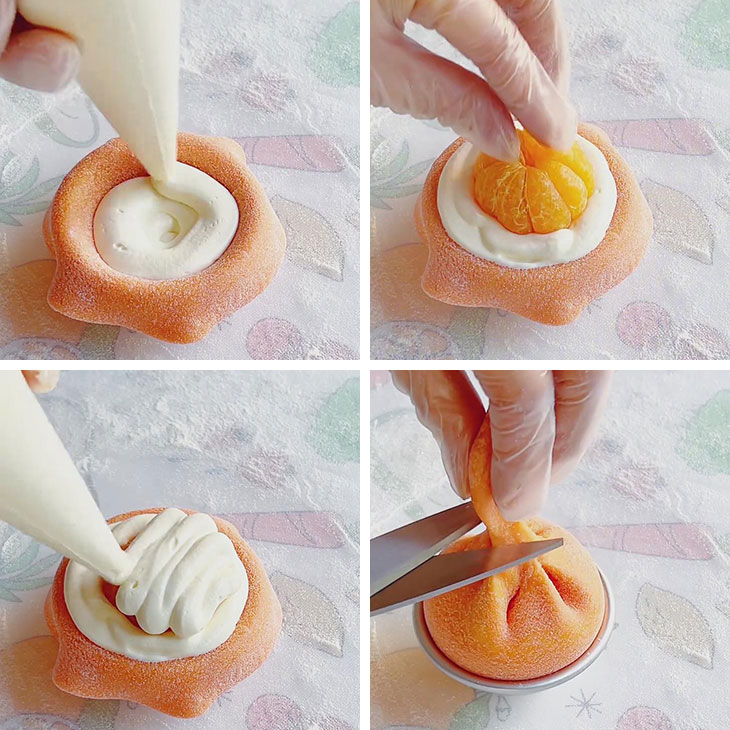
Decorate and serve
Place the finished daifuku on a serving plate. For a final touch, you can pipe a small dollop of whipped cream on top and place a small segment of mandarin as a garnish.

Enjoy immediately, or chill in the fridge before serving for a cool, refreshing treat.
Tips & tricks
- Always strain the batter before steaming — it’s the key to a smooth, lump-free mochi texture.
- Steam for a full 20 minutes to ensure the dough is fully cooked; undercooked mochi will taste floury and sticky.
- Wear gloves when kneading — the dough can be quite sticky while warm, and butter helps prevent sticking.
- Use cooked glutinous rice flour only for dusting. Raw flour will affect both texture and taste.
Frequently asked questions
Can I use canned mandarin oranges?
Fresh mandarins are best for their texture and juiciness, but you can use canned ones in syrup if you drain them well and pat them dry before wrapping.
My mochi dough is too sticky — what should I do?
That’s normal while it’s still warm! Lightly dust with cooked glutinous rice flour as needed, and don’t skip the kneading step — it helps the dough become smooth and elastic.
How long can I store Orange Daifuku?
They’re best enjoyed the same day but can be refrigerated for up to 2 days in a sealed container. Let them soften slightly at room temperature before eating.
Can I freeze daifuku?
Freezing is not recommended because the texture of mochi becomes hard and loses its chewiness once thawed.

Orange Daifuku (Mandarin Mochi) – Soft, Juicy, and So Refreshing!
Ingredients
Orange Mochi Skin
- 120 g glutinous rice flour
- 30 g cornstarch
- 20 g fine granulated sugar
- 180 g whole milk
- 15 g unsalted butter
- A small amount of orange food coloring optional
- Toasted glutinous rice flour for dusting
Whipped Cream Filling
- 300 g heavy cream chilled
- 20 g fine granulated sugar
Fruit Filling
- Small sweet mandarins – as needed 1 per daifuku
Instructions
Make the mochi batter
- In a large mixing bowl, add glutinous rice flour, cornstarch, and sugar. Gradually whisk in milk until you have a smooth, lump-free batter.
- Strain the mixture through a fine sieve to ensure the texture is silky. Cover the bowl with plastic wrap and poke a few holes on top to allow steam circulation.
Steam and knead the mochi dough
- Prepare a steamer and bring the water to a boil. Place the covered bowl inside and steam for 20 minutes over medium heat without opening the lid.
- Once steamed, immediately stir in the unsalted butter while the dough is still hot. Mix until fully combined.
- When the dough cools slightly (about 40°C or warm to the touch), knead it with gloved hands for 5–8 minutes until smooth and stretchy.
- If using food coloring, knead it in until the color is even. Divide the dough into 30 g portions and keep covered with plastic wrap to prevent drying.
Whip the cream
- In a cold, grease-free bowl, whip the chilled heavy cream and sugar with an electric hand mixer on medium speed until stiff peaks form. The cream should hold its shape without drooping. Store in the refrigerator until needed.
Assemble the daifuku
- Lightly dust your surface and rolling pin with cooked glutinous rice flour. Roll out one mochi piece into a circle about 8 cm in diameter — slightly thicker in the middle and thinner on the edges.
- Place it into a small bowl mold. Pipe or spoon some whipped cream into the center, add a peeled mandarin, and top with another small spoonful of cream.
- Gather the edges toward the center, pinch to seal tightly, and trim any excess dough. Coat the daifuku lightly with cooked glutinous rice flour to prevent sticking.
Decorate and serve
- Place the finished daifuku on a serving plate. For a final touch, you can pipe a small dollop of whipped cream on top and place a small segment of mandarin as a garnish.
- Enjoy immediately, or chill in the fridge before serving for a cool, refreshing treat.
Leave a Reply